A home slushie machine earns its counter space if you drink frozen drinks at least two or three times a month and you’re genuinely fine with a 15 to 25 minute cleanup. If it’s a one-party-a-summer situation, a blender and a bag of ice will do the same job for free. That’s the short answer, and the rest of this comes down to money, cleaning time, and sugar chemistry.
We’ve run cheap plastic units, mid-range countertop models, and full commercial drum machines in the studio, and the machines that get used daily are almost never the ones people expect.
What a Home Slushie Machine Actually Costs in 2026
Price tiers have settled into three fairly clear bands, and the gap between them is mostly about how the ice crystals get formed rather than how the drink tastes.
- $40 to $80 single-serve makers: small insulated cups or freezer-bowl gadgets that crush pre-frozen liquid. No compressor, no plumbing, no real capacity. You’ll get 8 to 16 ounces at a time.
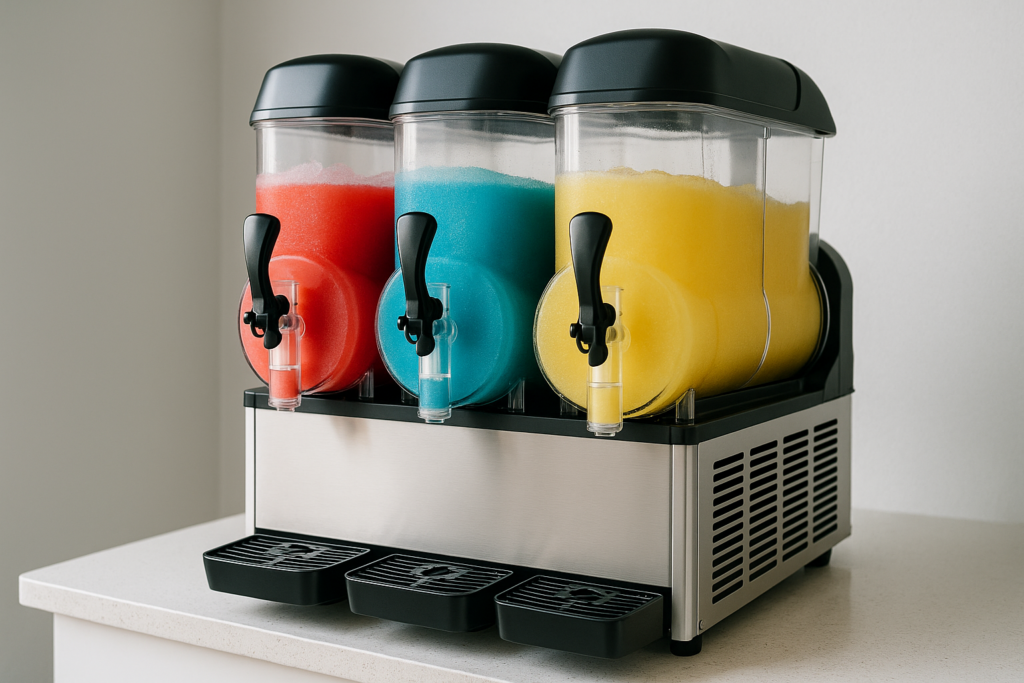
- $180 to $400 countertop machines: this band includes the Ninja Slushi and small single-bowl granita units. Real compressors, 1 to 3 liter capacity, first batch ready in roughly 15 to 90 minutes depending on the model.
- $600 to $2,500 commercial machines: two or three bowls, 12 to 36 liters total, built for a 10 hour service day. Overkill in a kitchen, correct for a garage bar or a big backyard setup.
Break-even math is simple enough to do in your head. A gas station slushy runs $2 to $3, while a 12 ounce pour at home costs about $0.35 to $0.60 in syrup or soda, so a $350 machine pays for itself somewhere around 140 to 180 servings.
The Cleaning Is the Part That Kills Ownership
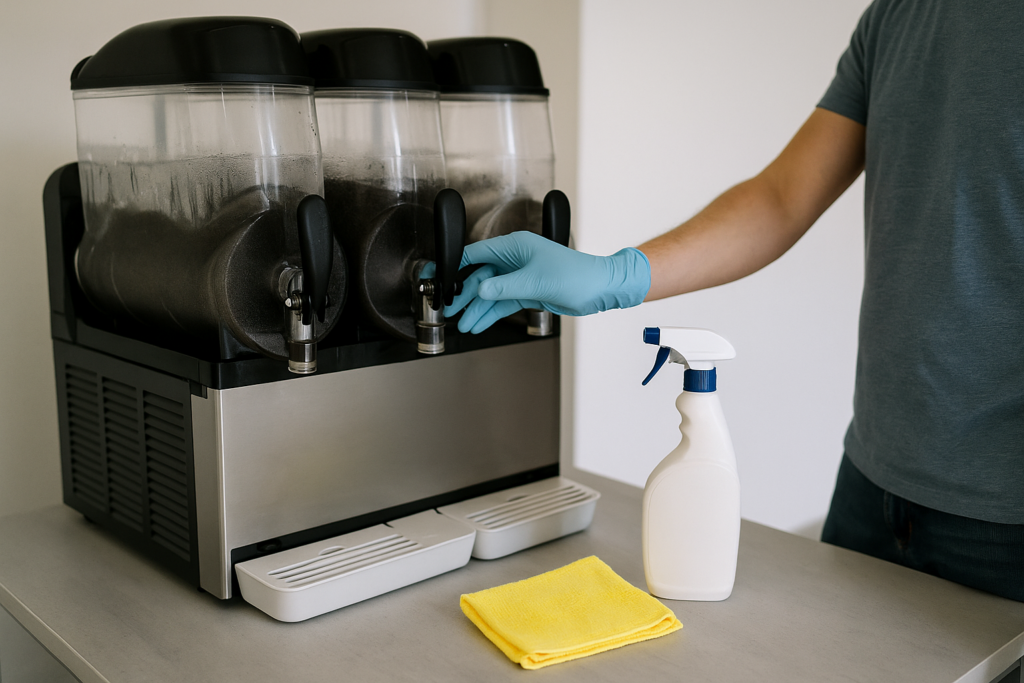
Nobody returns a slushie machine because the drinks were bad. They return it because a sugar-water mix sitting at 28°F in a sealed bowl is a decent environment for bacteria and yeast, and the only fix is regular disassembly. Most manufacturers ask for a full breakdown every 2 to 3 days of continuous use, and immediately if the mix contains dairy.
A single-bowl machine takes 15 to 25 minutes to strip, wash, sanitize, and reassemble once you know the gasket order. The auger, the front seal, the drip tray, and the bowl lid all need to come apart, and the FDA’s food handling guidance is worth a skim if you’re serving anything to guests. We broke down the realistic schedule in our post on how often slushy machines need cleaning, and honestly, that article talks more people out of buying than any price tag does.
Single-serve makers dodge most of this. Fewer parts, dishwasher-safe pieces, no compressor loop to worry about.
Sugar Is Not Optional, and That Surprises People
A slushie holds its texture because dissolved sugar lowers the freezing point of water, so the liquid sits in a slush phase instead of locking into a solid block. This is freezing-point depression, and it means your mix needs roughly 12% to 18% sugar by weight to behave correctly.
Practical consequences most buyers learn the hard way:
- Diet soda and zero-sugar mixes freeze into a solid puck in traditional drum machines. Some newer units, including the Ninja Slushi, compensate with a heated wall and a beefier auger, which is the main reason it gets recommended for sugar-free drinkers.
- Alcohol works, within limits. Keep the finished mix under about 10% to 12% ABV. Straight spirits at 40% will never slush, and a wine-based mix at 13% tends to stay soupy.
- Carbonation dies in the bowl. Pour your soda flat or accept that the fizz is gone in 20 minutes. Our Coca-Cola slushie method works around this instead of fighting it.
Counter Space, Noise, and Power Draw
A 3 liter countertop machine takes up a footprint close to a large toaster oven, usually 9 to 13 inches wide and 18 to 22 inches tall, plus 4 to 6 inches of clearance at the back for the condenser to breathe. Blocking that vent is the fastest way to kill a compressor.
Noise sits between 50 and 70 dB, similar to a dorm fridge with an attitude, and it cycles rather than running constantly. Power draw is modest, typically 150 to 400 watts while pulling down and less once the bowl holds temperature, so a full day of use costs pennies. Two-bowl commercial machines are the ones that need a dedicated 15 amp circuit if anything else on that line is drawing hard.
Who Should Buy One, and Who Should Skip It
We’ve tested enough units to have a fairly blunt opinion on this.
- Buy a countertop machine if you have kids, host regularly, or make frozen cocktails most weekends. This is where a $300 to $400 unit stops being a novelty and becomes a small appliance you use like a coffee maker.
- Buy a single-serve maker if the craving is occasional and personal. Low cost, low regret, lives in a cabinet.
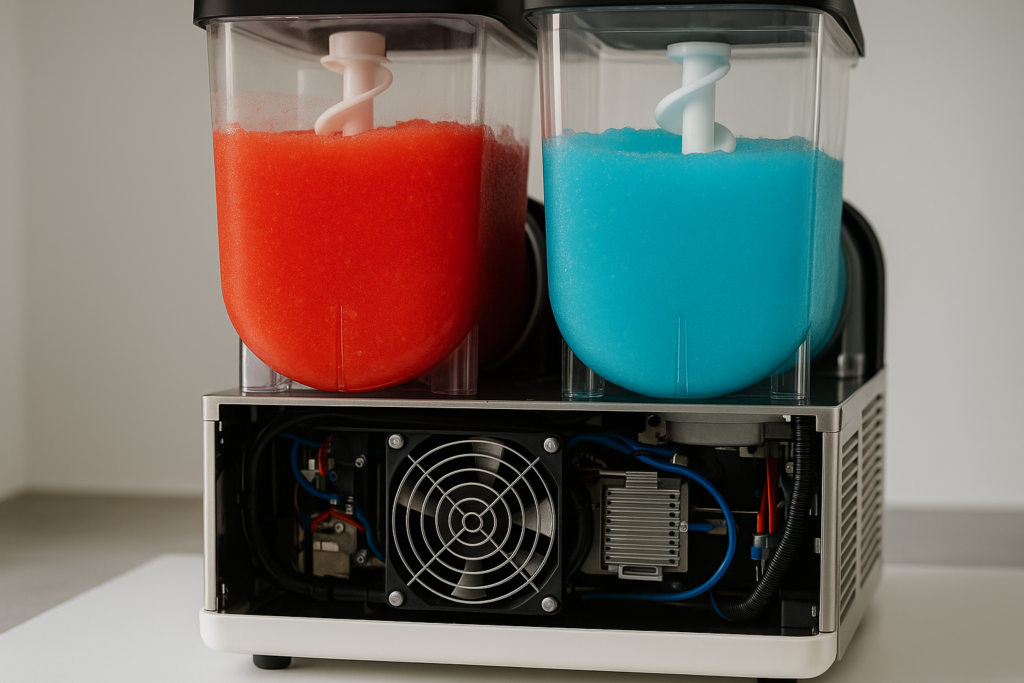
- Buy commercial if you run a concession stand, a team snack bar, or a genuinely unhinged garage setup. Our notes on what’s inside a commercial slushy machine explain why those units cost what they do.
- Skip it entirely if you have less than 18 inches of free counter, hate hand-washing gaskets, or only want slushies at one party a year. Rent a machine for $60 to $120 a day instead.
Test the Habit Before You Spend $350
The cheapest way to find out whether you’re a slushie household is to fake it for two weeks. Freeze soda or juice in a shallow tray, scrape it with a fork every 30 minutes, and see whether you actually bother doing it more than twice.
The freezer-bag method also works: 12 ounces of sweetened liquid in a zip bag, packed in ice and coarse salt, squeezed for 8 to 10 minutes. If you make it three times in a fortnight, buy the machine. If the bag is still in the freezer untouched, you just saved a few hundred dollars and the counter space.
When you’re ready to compare specific models, we ranked the units we’d actually put at a party in our roundup of the best slushy machines for parties, and our house rules cover the mix ratios we keep coming back to.
Frequently Asked Questions
Are home slushie machines any good?
Yes, machines in the $200 to $400 range produce texture that matches a gas station slushy, usually within 15 to 90 minutes per batch. The weak point is not drink quality but maintenance, since most need full disassembly and sanitizing every 2 to 3 days of use. Units under $80 make a coarser, wetter slush and work best as single servings.
What is the best home slushie machine to buy?
For most households the best home slushie machine is a compressor-driven countertop unit around 3 liters, with the Ninja Slushi the most recommended option because it handles sugar-free and low-sugar mixes that jam traditional drum machines. If you only want one drink at a time, a $50 single-serve maker is the smarter buy. Match the capacity to your real hosting habits rather than your best weekend.
What is the best slush making machine for home use?
A single-bowl granita or frozen drink machine holding 2 to 4 liters covers nearly every home scenario, serving roughly 8 to 12 twelve-ounce cups per fill. Two-bowl commercial machines hold more but need a dedicated outlet, 6 inches of rear clearance, and double the cleaning time. Look for a removable auger and a front seal you can replace, because that gasket is the first part to wear out.
What is a good small slush machine for home use?
Compact machines with a 1 to 2 liter bowl are the practical small option, typically 9 to 11 inches wide and priced between $150 and $280. They chill a batch in about 30 to 60 minutes and fit under standard 18 inch upper cabinets. Clearance models from the previous season often drop 25% to 40% in early spring, which is the best window to buy.
Want More Frozen Experiments?
We keep testing mixes, machines, and genuinely questionable flavor ideas over on the Frozen side of the site, and creators who want to film this stuff can find our gear notes on the Creators page.