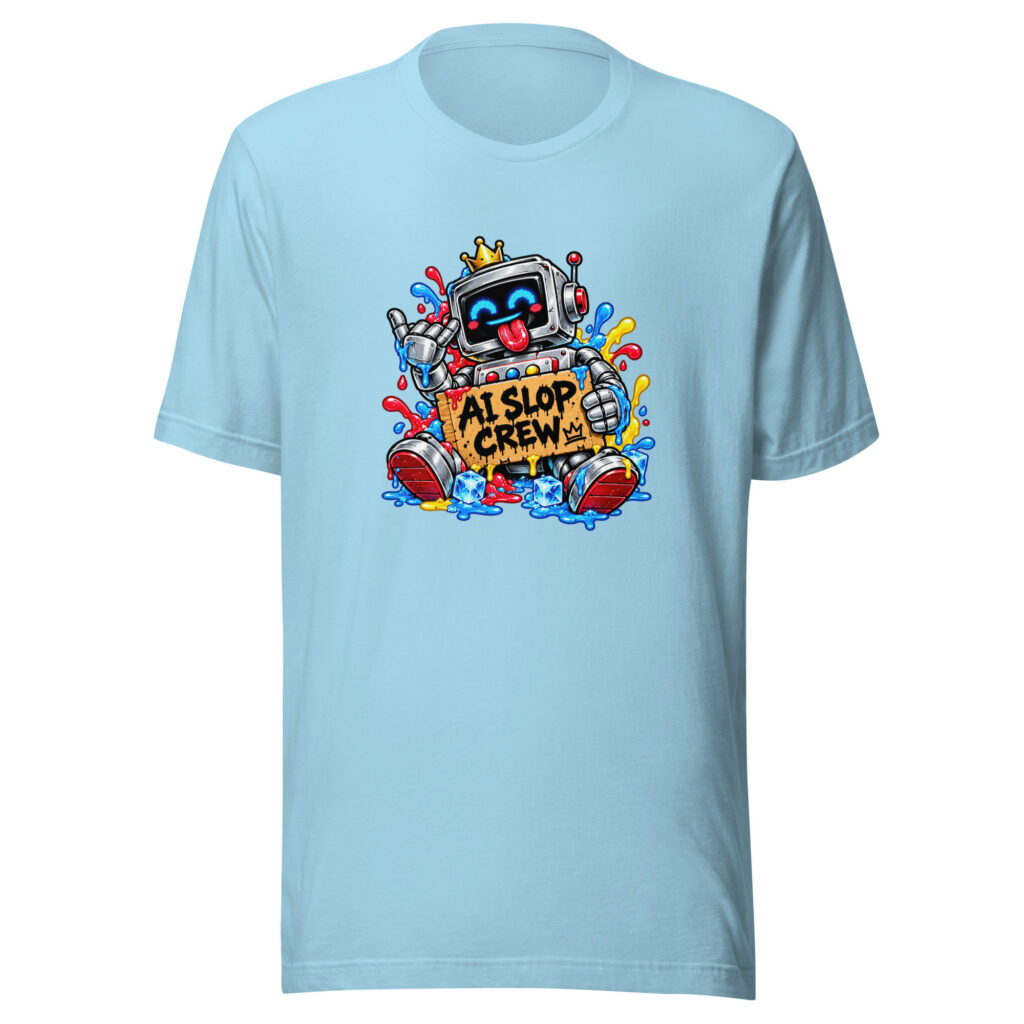
Characters make social media brands stronger because people remember faces, voices and running jokes far better than logos or taglines. A recurring character gives scrolling viewers an instant reason to stop, creates emotional familiarity after three or four appearances, and turns one-off views into a habit. The brand stops being a feed and starts being a cast.
That shift matters more every year as feeds get noisier and AI-generated clips flood every platform. The accounts holding attention in 2026 are the ones where you could describe the main personality to a friend in one sentence.
What Is a Brand Character?
A brand character is a consistent personality that appears across your content, whether that is a real person on camera, a mascot, an animated figure or a recurring persona with a fixed set of traits. It carries the voice of the brand so the audience has something human to attach to.
The character does not have to be cartoonish. The Duolingo owl and the Wendy’s Twitter voice sit at one end, while a founder who always films in the same kitchen with the same opening line sits at the other. What they share is predictability of personality combined with unpredictability of situation.
- Fixed traits: the stuff that never changes (catchphrase, outfit, attitude, setting).
- Flexible situations: the stuff that changes every post so the format stays fresh.
- A clear point of view: the character wants something, hates something, or is bad at something specific.
If you cannot name those three things about your account, viewers cannot either, and that is usually the reason an audience watches without ever following.
For a closer look at this topic, see our guide: How to Introduce a New Character Without Confusing Your Audience.
Why Characters Beat Logos in a Scrolling Feed
Characters beat logos because recognition happens in under a second and faces are processed faster than text or symbols. A logo in the corner of a video does nothing for a viewer who is already halfway through a swipe, but a familiar face or voice stops the thumb.
Short-form feeds are not browsed, they are filtered. The viewer makes a keep-or-skip decision in roughly the first second, and familiarity is the cheapest possible shortcut to “keep.” A character gives you that shortcut for free on every upload, which is why building recurring characters people actually remember pays off more than redesigning your profile banner.
There is a compounding effect too. The fifth video featuring the same person is easier to watch than the first, because the viewer already knows the rhythm, the joke structure and roughly how long to commit.
How Characters Build Trust Faster Than Ads
Characters build trust faster because repeated exposure to a consistent personality reads as reliability, while polished ad creative reads as a pitch. People extend to characters the same benefit of the doubt they extend to acquaintances.
Trust research keeps landing in the same place: audiences trust individuals more than institutions. The Edelman Trust Barometer has tracked that gap for years, and it explains why influencer marketing kept growing through 2024 while traditional display ads kept losing ground.
The practical version for a small brand is simple. A viewer who has watched your character fail at something, laugh at himself and come back the next week has an emotional file on your brand. A viewer who has only seen product shots has nothing.
You Own a Character, You Only Rent an Influencer
The biggest advantage of a brand character over paid creator partnerships is ownership: a character you build belongs to you forever, while an influencer audience is rented for the length of a contract. Both work, but only one compounds.
Most articles about the power of social media influencers stop at reach numbers. The part they skip is what happens afterward. When the campaign ends, the borrowed attention goes back to the creator, and you are starting the next quarter at zero.
- Cost curve: influencer fees rise with their growth; your character gets cheaper per view as your audience grows.
- Creative control: you can change a character’s format overnight without renegotiating anything.
- Risk: a rented creator’s controversy becomes your controversy, usually without warning.
- Compounding: every video adds to the same recognition bank instead of a different one.
The smartest brands run both: a house character as the permanent asset, and social media influencers as periodic reach injections pointed back at that character.
How to Build a Character That Survives Past Ten Videos
Most characters die around video eight, when the creator gets bored before the audience has even registered the pattern. Surviving that stretch takes a format designed for repetition, not a one-off idea that happened to perform.
- Pick one trait and exaggerate it. Over-confident, chronically unlucky, weirdly serious about something small. One trait is enough.
- Lock a visual anchor. Same hat, same cup, same corner of the room. Viewers should recognize you at thumbnail size with the sound off.
- Write a cold open you can reuse. The same five words every time trains people to stay through the first second.
- Give the character an opponent. A sibling, a rival, a physics problem. Conflict is what makes episode two possible.
- Ship twelve before you judge. Recognition is a volume game, and the data on the first three videos is mostly noise.
When one of those videos pops, resist the urge to chase a brand new idea. Deciding whether to make a sequel to a viral short is usually the fastest growth decision available, because the character already did the hard work of being memorable.
Mistakes That Kill a Brand Character
Characters usually fail for boring reasons: inconsistency, too many personalities at once, or a personality that only exists to sell something. Each one breaks the recognition loop that made the character valuable.
- Rotating the cast every week. Five faces in a month means zero familiarity for any of them.
- Changing the format after one flop. A single weak video is normal variance, not a signal.
- Making the character a salesperson. If every appearance ends in a pitch, the audience learns to skip.
- Writing a character with no flaws. Perfect is forgettable; people attach to the mess.
- Dropping the character in long-form. If your podcast or TV-style content sounds nothing like your clips, you have two brands.
That last one is worth guarding. Keeping the same voice across formats is why the Slushy Bros podcast and the short clips feel like the same world rather than two separate accounts.
How to Tell If Your Character Is Actually Working
You know a character is working when returning-viewer numbers and comment language change, not when a single video spikes. Reach can be luck; recognition shows up in behavior.
Watch these four signals over a 60 to 90 day window:
- Returning viewers: YouTube and Instagram both report this; a healthy character pushes it upward month over month.
- Comments that use names: when people refer to the character by name without prompting, recognition has landed.
- Follow rate per 1,000 views: typically 2 to 10 follows per 1,000 views for a strong recurring format, versus under 1 for generic content.
- Merch and link clicks: people buy from characters they like, rarely from accounts they merely watched.
Industry benchmarking from the Sprout Social Index keeps showing that audiences follow brands for entertainment and personality before promotions, which matches what those numbers tend to say in practice.
Related reading: How to Turn Audience Comments Into Brand Ideas.
Frequently Asked Questions
What Are the Benefits of Using Influencer Marketing?
The main benefits are fast reach into an existing trusted audience, lower production cost than studio ads, and content you can often license for paid use. Most brands see the strongest results when influencer campaigns point back to a permanent brand asset, such as a recurring character or a product page, rather than ending at the creator’s post.
What Is a Brand Character?
A brand character is a consistent personality (human, mascot or animated) that represents a brand across its content and marketing. It has fixed traits like a catchphrase, look and attitude, which makes the brand recognizable within the first second of a video.
Related reading: How to Make Your Content Instantly Recognizable.
What Is the 3-3-3 Rule for Social Media?
The 3-3-3 rule is a posting balance guide: three posts that educate, three that entertain and three that promote, cycled through your calendar. Some marketers read it as three seconds to hook, three posts a week, three platforms, so it is worth confirming which version someone means before you build a schedule around it.
What Brand Has a Strong Social Media Presence?
Duolingo is the usual example, with a mascot-led account that passed 10 million TikTok followers by leaning fully into one chaotic character. Wendy’s, Ryanair and Liquid Death work the same way: a single recognizable voice applied consistently, which is exactly the effect a brand character is meant to create.
Build Your Cast With Slushy Bros
We make characters for a living, and we are happy to talk shop about yours. Take a look at what we are building in the studio, or grab something from the shop if you would rather wear the brand than read about it.