If you want to know how to create lore around your social media brand, start with this idea: lore is just the stuff your audience knows that a stranger doesn’t. It’s the running jokes, the recurring characters, the one cup everybody argues about, the rule nobody wrote down but everyone follows. Build enough of it and people stop watching your videos as one-offs and start watching them as episodes.
We’ve been doing this with Slushy Bros for a while now, and the lore has done more for retention than any hook formula we’ve tested. Here’s how to build yours on purpose instead of by accident.
What “Lore” Actually Means for a Brand
Lore is the accumulated backstory, cast and internal logic of your content. It’s not your brand guidelines, and it’s definitely not your mission statement. It’s the shared memory between you and the people who watch enough of your stuff to catch a reference.
Think of it in three layers. There’s surface lore (a catchphrase, a signature product, a location viewers recognize), character lore (who’s who, who always loses, who’s secretly the villain), and event lore (the time the machine broke, the bet somebody lost, the video everyone still quotes).
The surface layer gets people to recognize you in a scroll. The deeper layers are what make them click your channel name and watch nine more videos.
Why Lore Beats Plain Content
People don’t rewatch information, they rewatch relationships. Trust and familiarity drive attention more than polish does, which is why creator-led brands keep outperforming corporate accounts in Edelman’s research on who audiences actually believe (see the Edelman Trust Barometer).
There’s a practical algorithm angle too. Platforms reward watch time and returning viewers, and lore is the cheapest way to manufacture both, because a viewer who needs context will go find it. We broke down that distribution side in our post on why some Shorts get millions of views while others die immediately.
Lore also protects you from flops. A single bad video inside a story people care about is a filler episode, not a failure.
The Building Blocks of Brand Lore
You don’t need all of these, but you probably need four or five before the world feels real to somebody new. Pick the ones you can repeat weekly without hating your life.
- Recurring characters. Two to five named people or personas, each with one exaggerated trait. The competitive one, the calm one, the one who always ruins it.
- A home base. A kitchen, a garage, a van, a backyard. A location viewers recognize in half a second does more branding work than a logo animation.
- Rituals. The same opening line, the same taste test, the same coin flip. Repeat it 20 times and it becomes a tradition instead of a bit.
- Internal vocabulary. Names for things only your audience uses. Flavors, ranks, tiers, insults.
- Rules. Constraints create drama. Ours live on our house rules page, and breaking them on camera is always a bigger moment than following them.
- Running conflicts. An unresolved rivalry, a scoreboard, a debt somebody owes. Conflict is the engine that makes episode 40 matter.
- Canon events. Three to six moments you reference forever. The first viral video, the disaster, the record.
How to Build It, Step by Step
- Audit what already exists. Go through your last 30 posts and your top comments. Whatever people already quote, name or ask about is proto-lore. Don’t invent a mythology when your audience has handed you one.
- Name three characters and one place. Write a single sentence per character describing what they want and what they always do wrong. Keep it short enough to remember while filming.
- Pick one ritual and repeat it for 30 days. Same phrase, same shot, same beat. Most brands quit at post 6, right before recognition kicks in.
- Create a scoreboard. A visible tally of wins, losses, streaks or attempts gives casual viewers a reason to come back for the next installment. Ours is basically what the slush tracker does.
- Plant callbacks. In every fourth or fifth post, reference an older video without explaining it. Curiosity gaps send new viewers into your back catalog.
- Write it down. Keep a one-page lore doc: names, rules, catchphrases, canon events, things that have already been established. Continuity errors are what make lore feel fake.
- Escalate every quarter. Raise the stakes, introduce one new character, resolve one old conflict. A world that never changes gets boring around month four.
Let the Audience Co-Write It
The fastest lore growth we’ve had came from handing pieces of the story to viewers. Comment sections are a writers’ room if you actually read them, and roughly half of what people think is our lore started as somebody’s joke reply.
Related reading: How to Create Merch People Actually Want to Wear.
Give them jobs. Let them name things, vote on challenges, pick punishments, decide which flavor gets retired. Quizzes work absurdly well here, which is why something like Which Slushy Bro are you? gets shared more than a polished edit.
The other move is inviting other creators into your world instead of just collabing on a video. We built our creators program around that idea, because a guest who learns your rules on camera teaches your rules to their audience at the same time.
Where Merch and Products Fit
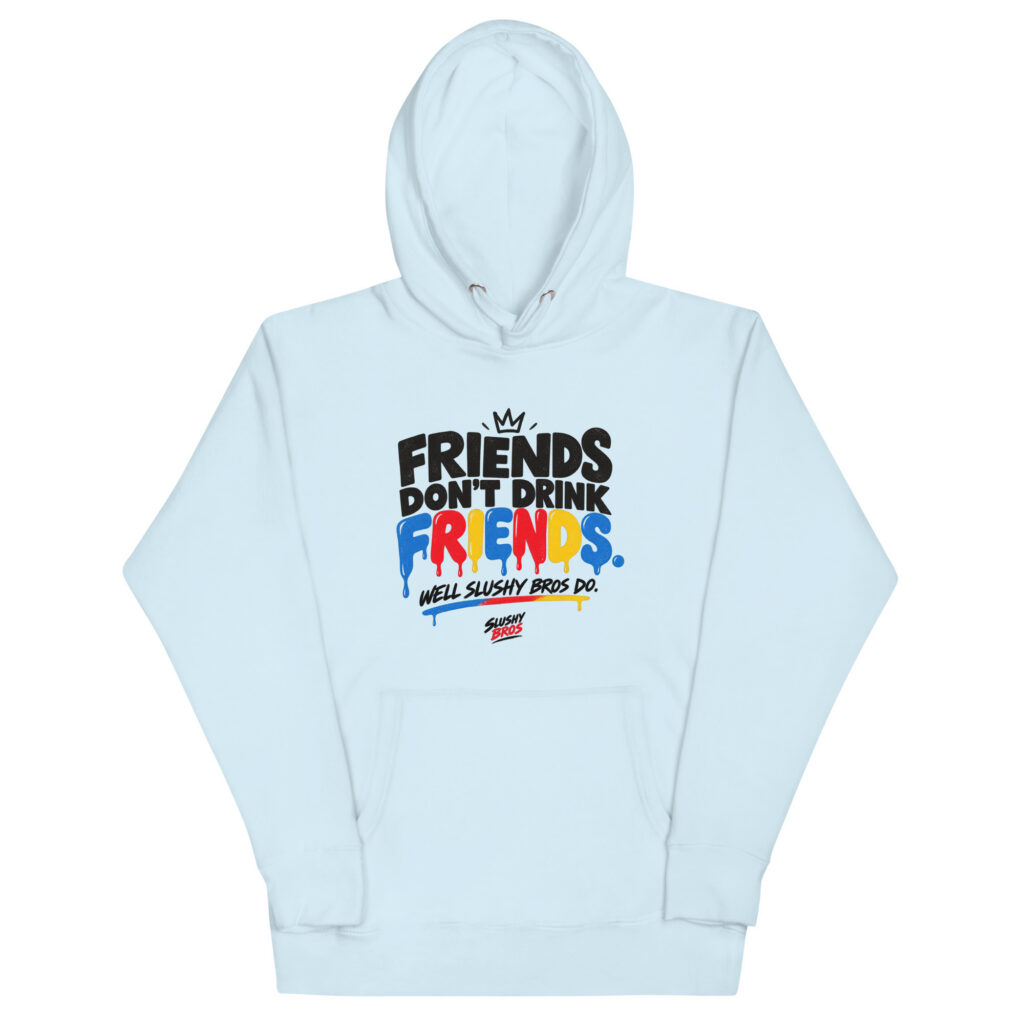
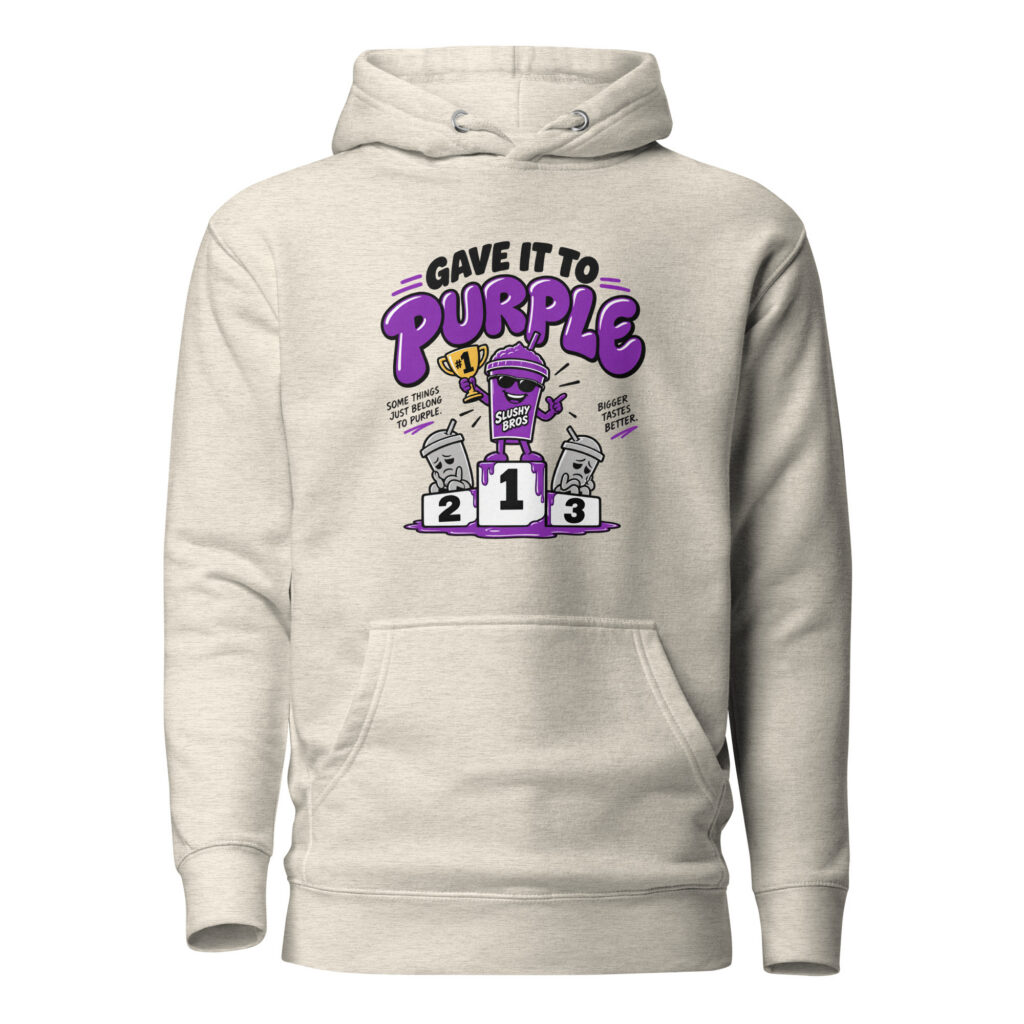
Lore makes merch make sense. Nobody buys a logo tee from an account they watched twice, but they will absolutely buy the shirt that references the bet from episode 12. The product becomes proof you were there.
Practical version: tie physical items to specific story moments rather than to your brand name. A flavor named after a character, a cup tied to a rule, a hoodie printed with an in-joke that reads as nonsense to outsiders. That last part matters, because exclusivity is the point.
Drops work the same way. Sprout Social’s research on what makes people follow and buy from brands keeps landing on personality and consistency over discounting (see the Sprout Social Index), and a story-linked release is personality you can ship.
Mistakes That Kill Lore
- Explaining everything. Over-explaining removes the reward for being a regular. Let new viewers be slightly confused; confusion drives clicks.
- Too many characters. Five is a cast, twelve is a crowd. Nobody forms an attachment to a crowd.
- Retconning for convenience. If you said the machine was cursed, the machine is cursed forever. Audiences remember details you forgot within a week.
- Lore with no conflict. Friendly people doing pleasant things is not a story, it’s a vibe. Vibes don’t generate return visits.
- Copying someone else’s world. Borrow structure, not specifics. Derivative lore reads as costume, not character.
How to Tell If It’s Working
Watch four numbers over 60 to 90 days rather than judging any single post. Returning viewers should climb as a share of total views, which is the clearest signal that people came back for the story. Comment specificity is next: generic praise means nothing, inside references mean everything.
Then check channel-level views per viewer (are people watching two videos or seven?) and search traffic on your own names, meaning people typing your characters, flavors or catchphrases into search. When somebody googles a name you made up, the lore is real.
Expect a slow curve. In our experience it takes roughly 8 to 12 weeks of consistent repetition before the payoff shows up in retention, and most creators quit somewhere around week five.
Frequently Asked Questions
How long does it take to build brand lore on social media?
Plan on 8 to 12 weeks of consistent posting before lore starts affecting retention, and 6 months before it drives real merch demand. The lag exists because recognition requires repetition; most rituals need 15 to 20 appearances before an audience treats them as canon.
Can a small account with under 1,000 followers build lore?
Yes, and it’s actually easier, because you can respond to nearly every comment and pull audience ideas into the story within days. Small accounts that establish characters and running jokes early tend to see higher returning-viewer rates than larger accounts with no continuity.
Do I need real characters, or can it just be me?
One person is enough if you commit to at least two recurring elements besides yourself, like a fixed location and a repeated ritual. Solo creators often use props, pets or a rotating cast of friends as supporting characters so there’s still contrast on screen.
Does lore hurt reach with new viewers?
Not if roughly 70% of each post stands alone and only 30% rewards insiders. The sweet spot is a video a stranger can enjoy at face value while a regular catches two references they feel smart for noticing.
How do I keep lore consistent across platforms?
Keep one shared lore document with names, rules, catchphrases and established events, then adjust format rather than facts per platform. Shorts carry the moments, longer formats like a podcast carry the explanation, and your site holds the permanent record.
Want to Build Lore With Us?
If you’re a creator building a world of your own, our creators page lays out how we collaborate, trade audiences and drop products tied to actual story moments. Come say hi and tell us what your lore is.