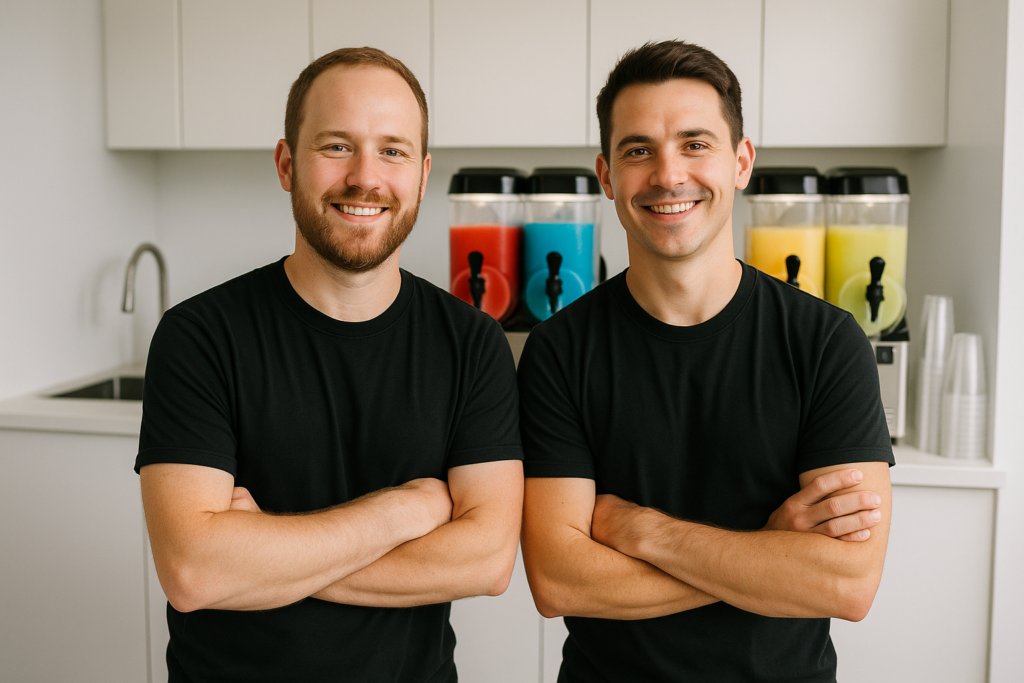
Our first million views arrived on a Tuesday afternoon, from a 19-second clip we almost didn’t post because the audio was blown out. That one video did about 640,000 of the total, and the rest trickled in from everything else we had made over seven months. Here is what we learned from getting our first million views, including the parts nobody tells you before the counter rolls over.
None of it felt like a milestone while it was happening. It felt like refreshing analytics at 1 a.m. and arguing about whether the thumbnail was too dark.
Three Videos Did Most Of The Work
We posted 114 pieces of content before we hit seven figures. Of those, three videos accounted for roughly 78 percent of all views, which means the other 111 were essentially practice reps that the algorithm politely ignored.
That ratio is normal, and we wish someone had told us earlier. Most channels that cross 1 million views get there on the back of a small handful of outliers, not on steady growth across every upload.
The practical takeaway: your job early on is to make enough swings that an outlier becomes statistically likely. We broke down the specific uploads that popped in our most viewed videos and why we think they worked, and the common thread was never production quality.
Retention In The First Two Seconds Beat Everything Else
When we compared our flops to our hits, the gap showed up almost entirely in the first two seconds. Our dead videos lost 35 to 45 percent of viewers before the two-second mark. The video that carried us to a million held 88 percent through the same window.
Nothing else correlated as strongly. Not length, not posting time, not hashtags, not whether we used trending audio.
What moved that number for us:
- Start mid-action. No intro, no logo, no “hey guys.” The first frame shows something already going wrong.
- Put a visual question on screen. A guy in a giant purple slushy costume standing on a diving board raises a question the viewer wants answered.
- Cut the setup line. We shaved an average of 1.8 seconds off the front of every edit and retention jumped across the board.
- Keep one subject in frame. Wide shots with four people reading as clutter on a phone screen.
We went deeper on the failure side of this in why people swipe away from your Shorts, which is basically a list of mistakes we made in public.
The Costume Was Doing The Thumbnail’s Job
Short-form doesn’t really give you a thumbnail, so your first frame and your silhouette carry the recognition load. Four colored slushy cups walking around a backyard is legible at thumb-scroll speed, which is the only speed that matters.
We didn’t plan this. The costumes started as a dumb bit, and they turned into the single most valuable asset we own, because people could identify a Slushy Bros video before reading a word.
Viewers also started picking favorites, which we did not expect. Purple gets tagged in comments more than the rest of us combined, and we have no idea why either.
What One Million Views Actually Paid
Short-form pays badly and we’d rather say the number than be vague about it. Shorts revenue sharing typically lands between $0.02 and $0.12 per 1,000 views depending on geography and ad fill, so a million Shorts views realistically returns somewhere between $40 and $120.
Long-form on the same channel ran roughly $1.80 to $4.50 per 1,000 views for us. A million long-form views is a completely different financial event than a million short-form views, even though the counter looks identical.
The actual value of that first million was downstream:
- Subscribers. We converted about 1.1 percent of views into subs, roughly 11,000 people.
- Merch. Our first real spike in apparel orders came 48 hours after the big video, not during it.
- Inbound. Two brands emailed in the month after. One was legitimate, one wanted us to work for exposure.
- Use. A million views is the number that makes strangers answer your DMs.
If you want the honest version of the economics behind a single hit, we laid it out in the story behind the shot that got it in on the first try.
Comments Told Us What To Film Next, And We Ignored Them For Too Long
For about four months we treated comments as applause. Then we started reading them as a free research panel, and our hit rate roughly doubled.
People were asking for specific things repeatedly: more backyard stunts, more arguments between characters, an explanation of who each costume was supposed to be. We eventually turned that last request into the character guide, and it still pulls traffic months later.
Comment mining works because it surfaces demand that already exists, instead of asking you to guess what strangers want. Sort by top, look for a question asked three or more times, film the answer.
The Things We Wasted Months On
We spent real time and a little money on tactics that produced nothing measurable. Listing them is more useful than listing wins, because everyone copies the wins.
- Posting-time optimization. We tested 7 a.m., noon and 8 p.m. for six weeks. The variance was noise.
- Hashtag stacking. Thirty hashtags performed the same as three. YouTube’s own Shorts documentation puts the weight on watch behavior, not tags.
- Better cameras. We upgraded gear before we upgraded jokes, and the numbers did not move until the writing did.
- Chasing trending audio. Three of our worst-performing uploads used sounds that were peaking that week.
- Cross-posting identical cuts. Each platform wants a slightly different edit. A straight re-upload underperformed a reframed version by about 40 percent.
Research backs up how much of the ecosystem is churn. A Pew Research Center analysis of popular YouTube channels found that even high-subscriber channels publish enormous volumes of content, with viewership concentrated in a thin slice of uploads.
Volume Mattered, But Not The Way We Assumed
We went from two uploads a week to five, and views went up. The reason wasn’t the algorithm rewarding frequency, it was that we were getting faster at editing and bolder about cutting bits that weren’t landing.
By upload 90 we could turn a shoot around in about 70 minutes. We tracked that whole timeline in how long it actually takes to make a 20-second comedy video, and the number surprised people who assume short content is quick content.
Speed is what lets you take 100 swings in a year instead of 25. That is the whole case study, really: more attempts, faster feedback, ruthless cuts.
Frequently Asked Questions
What Was The First Music Video To Get 1 Million Views On YouTube?
There’s no verified record for the first music video specifically, but the first YouTube video of any kind to pass 1 million views was a Nike ad featuring Ronaldinho, in late 2005. For music, the better-documented milestone is “Gangnam Style,” which in December 2012 became the first video to reach 1 billion views. Early view counts from 2005 to 2007 were tracked loosely, so most “first” claims from that era are estimates.
What Is The 7 Second Rule On YouTube?
The 7 second rule refers to the idea that you have roughly seven seconds to hook a viewer before they leave, and our own data suggests it is closer to two seconds on Shorts. Separately, there’s a persistent myth that clips under seven seconds are automatically safe from copyright claims, and that is false. Content ID flags clips far shorter than seven seconds every day.
Is One Million Views On YouTube Good?
Yes, 1 million views puts a video well inside the top few percent of all YouTube videos, since the vast majority never clear 1,000 views. Financially it varies wildly: a million long-form views might pay $1,800 to $4,500, while a million Shorts views often pays under $120. The real value is the subscribers and opportunities that follow.
What Are The Most Watched YouTube Videos?
“Baby Shark Dance” sits at the top with more than 16 billion views, followed by “Despacito” at roughly 8.7 billion. Children’s content and global music dominate the list because both travel across languages without translation. Every video in the top ten has passed 5 billion views, which is a different universe from a first million.
Watch What We Made After The First Million
Everything we tested after that milestone ends up on Slushy Bros TV, plus the longer conversations about making this stuff on the podcast. If you’re building something similar, the creators page is where we collect the tools and notes we actually use.