You can build a brand without showing your real identity by making something other than your face the recognizable thing: a character, a mascot, a voice, a repeatable format, a color palette. People follow consistency, not cheekbones. Pick one signal, repeat it on every piece of content, and keep your legal name separated with its own accounts, email and business entity.
That is the short version. The longer version matters because most faceless accounts stall for reasons that have nothing to do with anonymity and everything to do with being forgettable.
What a Faceless Brand Actually Is
A faceless brand is any brand where the audience recognizes a persona, product or format instead of a specific person’s appearance. The identity still exists. It is just carried by hands, voice, editing style, character design or writing instead of a headshot.
Think about the accounts you already follow without knowing who runs them. Cooking channels that only show forearms. Lego stop-motion pages.
Commentary channels with a voice and a logo. None of them are hiding in a meaningful sense, they simply moved the recognizable part somewhere else.
Anonymity is a spectrum, and it helps to pick your spot before you start:
- Fully anonymous: no face, no real name, no voice, pseudonym only.
- Pseudonymous: a stage name plus a voice, maybe hands, no legal name attached publicly.
- Partially faceless: real voice and real first name, face mostly off camera or covered.
- Character-led: a mask, avatar or mascot does the talking while you stay unlisted.
Can You Really Grow Without Showing Your Face?
Yes. Faceless accounts regularly pass a million views on short-form platforms because recommendation feeds rank retention and rewatch behavior, not whether a human appears on screen. The algorithm does not know what a face is in any way that helps you.
What the feed does reward is a clear hook in the first second and a reason to keep watching. A faceless video has to earn that attention with motion, sound, text or a question, since it cannot lean on facial expression to carry the emotion.
Social platforms are still where most people discover brands, with Pew Research Center reporting that the large majority of U.S. adults use at least one social platform regularly. That is a huge discovery surface, and almost none of it requires a selfie camera.
Six Identity Signals That Replace Your Face
Pick two or three signals and never drop them. A face is just a fast shortcut to recognition, and these do the same job once repeated enough times.
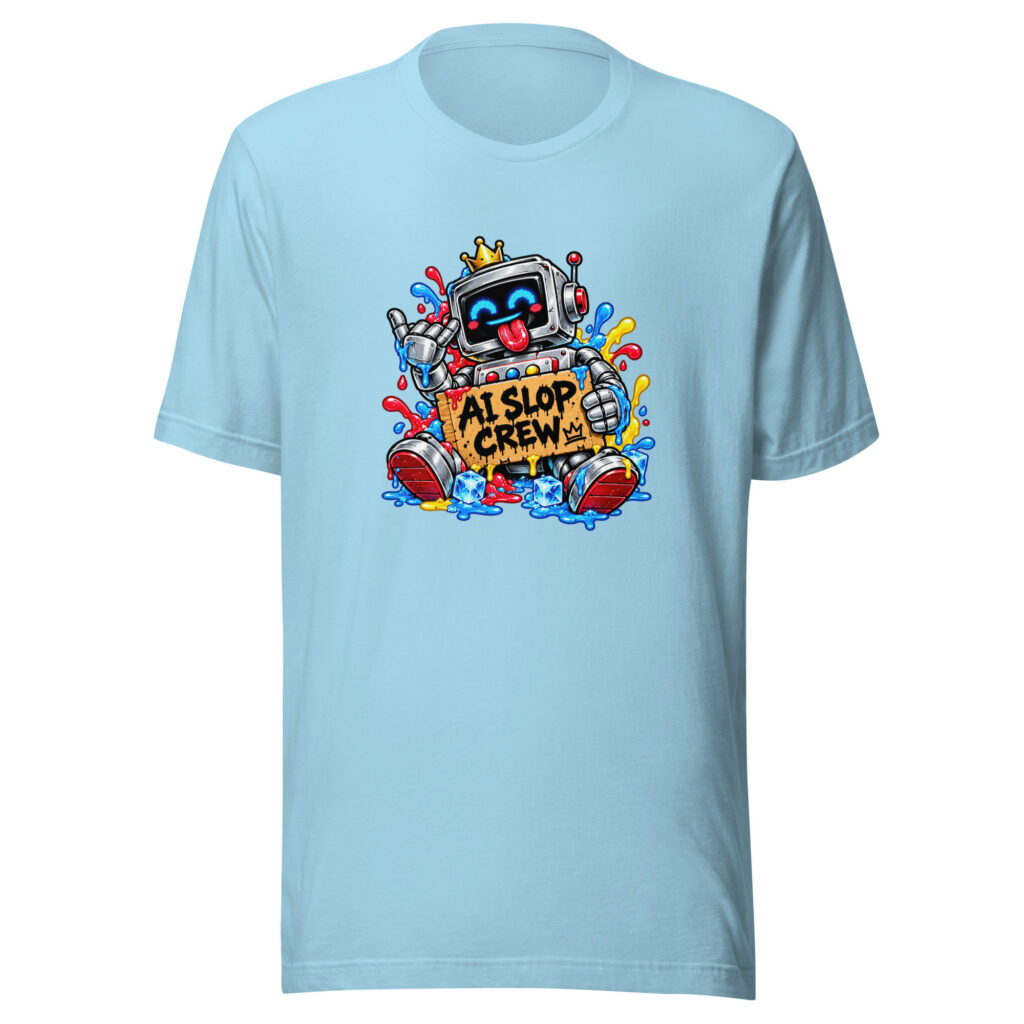
- A mascot or character: a drawn figure, a cup, a mask, a costume that appears in every post.
- A color and type system: two or three colors plus one font, used on every thumbnail and caption.
- A voice: literal (narration) or written (a tone people can quote back at you).
- A format: the same shot setup, same structure, same payoff every single time.
- A catchphrase or sign-off: five words max, said identically in every upload.
- A physical object: a specific cup, jersey, prop or location that acts as the logo in the frame.
We lean on the object and format route constantly, because a bright frozen drink reads instantly on a small screen even at full scroll speed. If you want the thinking behind picking signals that actually feel like you, our post on how to build a brand around your personality covers the part most faceless advice skips.
How to Pick a Faceless Content Format You Can Repeat
Choose a format you could film 100 times without hating it. The best faceless formats are built around a repeatable action, not a repeatable topic, because actions are easy to shoot and hard to run out of.
Formats that work without a face on camera:
- Hands-only process videos: building, pouring, assembling, unboxing, testing.
- Voiceover over B-roll or gameplay: commentary, storytime, rankings, explainers.
- Text-on-screen with sound: no voice needed, strong captions do the talking.
- Character or puppet skits: costume, mask or avatar performing the bit.
- POV camera: chest mount or handheld, viewer sees what you see.
- Documented challenges: wide shots, back of head, the stunt is the star.
Test three formats for two weeks each before committing. Watch retention curves rather than view counts, since a clip with 4,000 views and 90 percent retention is a better format signal than a fluke with 200,000 views and a cliff at second two.
How to Build Trust When Nobody Sees You
Trust comes from consistency and proof, not visibility. Post on a predictable rhythm, answer comments in the same voice every time, and show receipts: results, timestamps, before and after, unedited clips of the thing actually happening.
Three trust builders that cost nothing:
- Show your work in one take. Long, uncut segments are hard to fake and audiences feel it.
- Answer questions publicly. A pinned reply with a real detail beats a polished bio.
- Keep promises small and visible. Weekly uploads, giveaways you actually ship, replies within a day.
If you ever take payment to feature a product, disclose it clearly. The FTC endorsement guides apply to anonymous creators exactly the same way they apply to named ones, and a visible disclosure protects the brand you are building.
How to Protect Your Real Identity While the Brand Grows
Separate everything from day one. Create a dedicated email, a business entity or DBA for payouts, and a phone number that is not tied to your personal accounts, because platform support tickets and invoices are where legal names usually leak.
A practical checklist before your first post:
- Register the brand name and matching handles on every platform, even ones you will not use.
- Use a business address or registered agent instead of your home address on any public filing.
- Scrub metadata and background details: mail, street signs, school logos, window views, reflections.
- Keep one voice rule, for example never say a real first name on camera, and brief anyone who films with you.
- Use a separate payment account so Venmo or PayPal receipts do not display your legal name.
Decide early how much you are willing to reveal if the brand gets big, since brand deals, conventions and press requests all push toward disclosure. Writing that line down now saves an awkward decision at 100,000 followers.
Why Merch Makes a Faceless Brand Feel Real
Physical products give an anonymous brand a body. A shirt, cup or sticker turns a logo into something people wear in public, which is the strongest social proof a faceless account can get without ever showing a face.
The design rule is simple: make it wearable on its own merit. Nobody buys a shirt because it has a channel name on it, they buy it because it looks good and the inside joke is a bonus. That is the whole thinking behind our trendy apparel drops, and we broke down the styling side in our piece on wearing a graphic tee without looking like a walking billboard.
Start with 2 designs and a print-on-demand partner before ordering inventory. Most creators under 25,000 followers sell between 0.5 and 2 percent of their audience in a launch window, so a run of 300 units is usually optimistic for a first drop.
Mistakes That Stall Faceless Brands
The two killers are inconsistency and genericness. If your thumbnails, voice and format change every week, there is nothing for a viewer to recognize, and a faceless brand without recognition is just stock content.
- Copying a trending faceless niche with no original signal, so you look like twelve other accounts.
- Hiding the brand name inside the video instead of putting it where people can read it in one second.
- Switching platforms weekly before any format has had 20 posts to prove itself.
- Posting with no sound identity, which wastes half the attention budget on short-form.
- Leaking personal details slowly, one background shot at a time, until anonymity is gone by accident.
If you want the fastest fix, cross-post the same format for 30 days straight and watch which platform responds. Our Instagram page and our YouTube feed often react very differently to the exact same clip, and that information is worth more than another branding exercise.
Frequently Asked Questions
How Do You Build Yourself Into a Brand?
Pick one niche, one repeatable format and one visual signature, then publish on a fixed schedule for at least 90 days. Branding is pattern recognition, so the audience needs roughly 20 to 30 consistent touchpoints before the look, sound and tone start reading as yours.
What Is the 3-3-3 Rule for Marketing?
The 3-3-3 rule says you have 3 seconds to grab attention, 30 seconds to hold it and 3 minutes to make your point. It is a pacing guide for content, and it is especially useful for faceless videos, where the first 3 seconds have to work through motion, sound or text instead of eye contact.
What Are the 5 C’s of Personal Branding?
The 5 C’s are commonly listed as clarity, consistency, content, connection and credibility. For an anonymous brand, consistency and credibility carry the most weight, since you cannot lean on a familiar face to do the recognition work for you.
What Are the 7 Pillars of Personal Branding?
Most versions list purpose, positioning, personality, audience, visual identity, content strategy and reputation. Six of those seven translate directly to a faceless brand, and personality simply moves into writing, voice or a character rather than appearing on camera.
Build the Brand, Keep the Privacy
Start with one format, one color, one name, and run it for 90 days before you judge anything. If you want to see what a loud brand with quiet people behind it looks like in practice, take a look at what we are doing at Slushy Bros and steal whatever works.