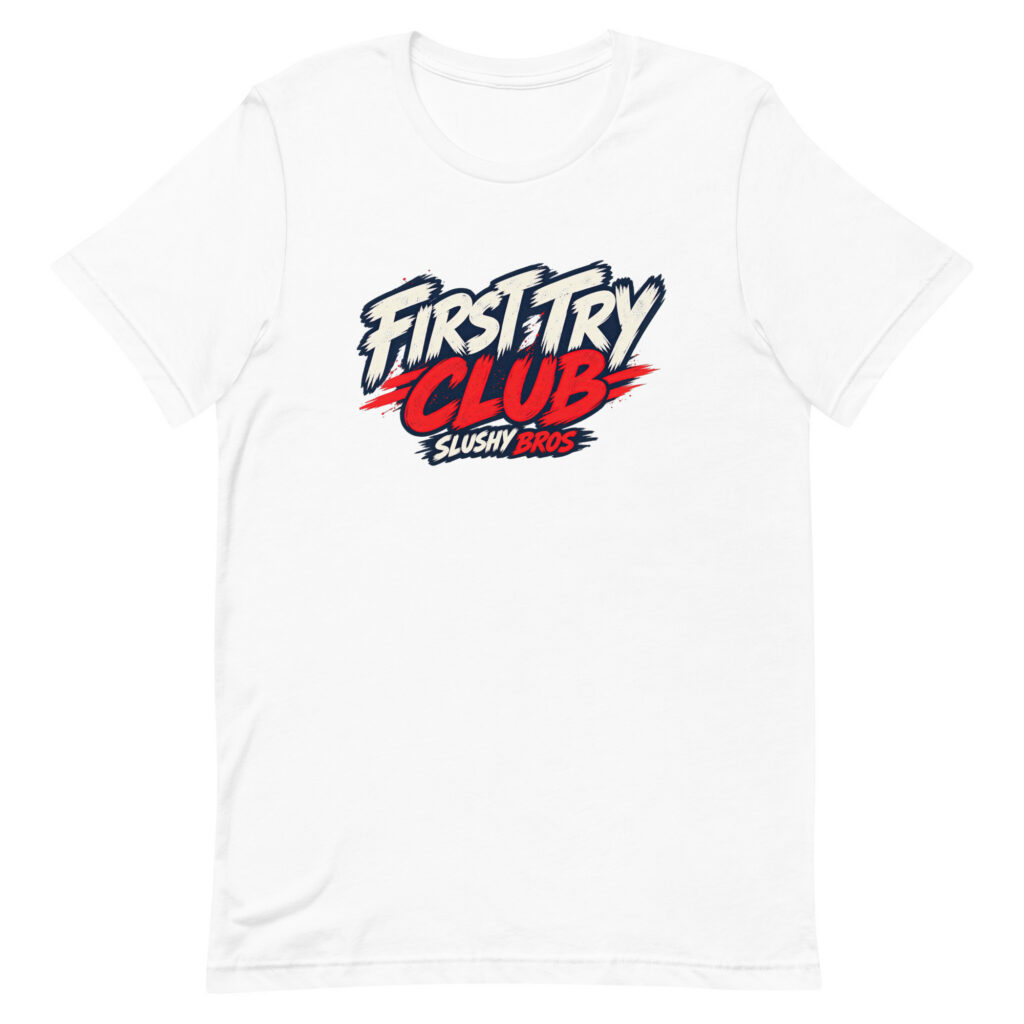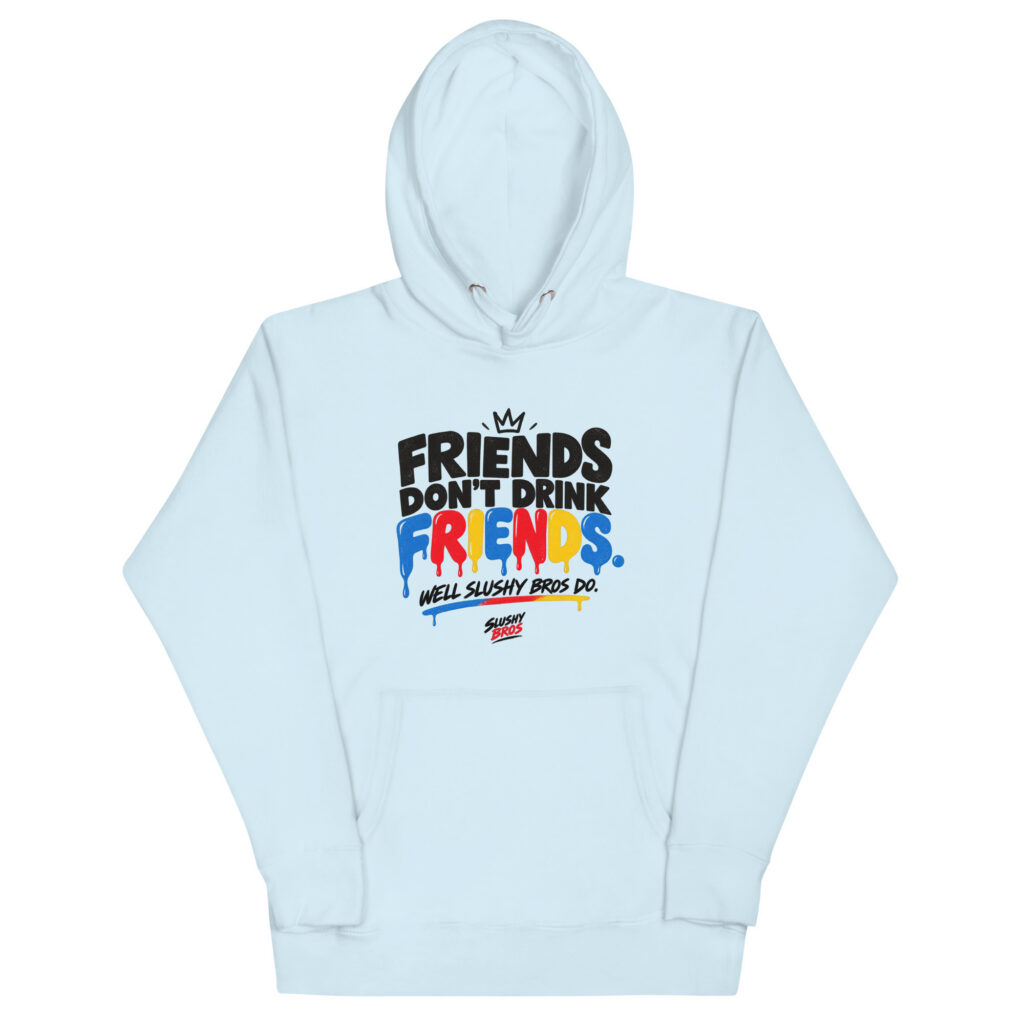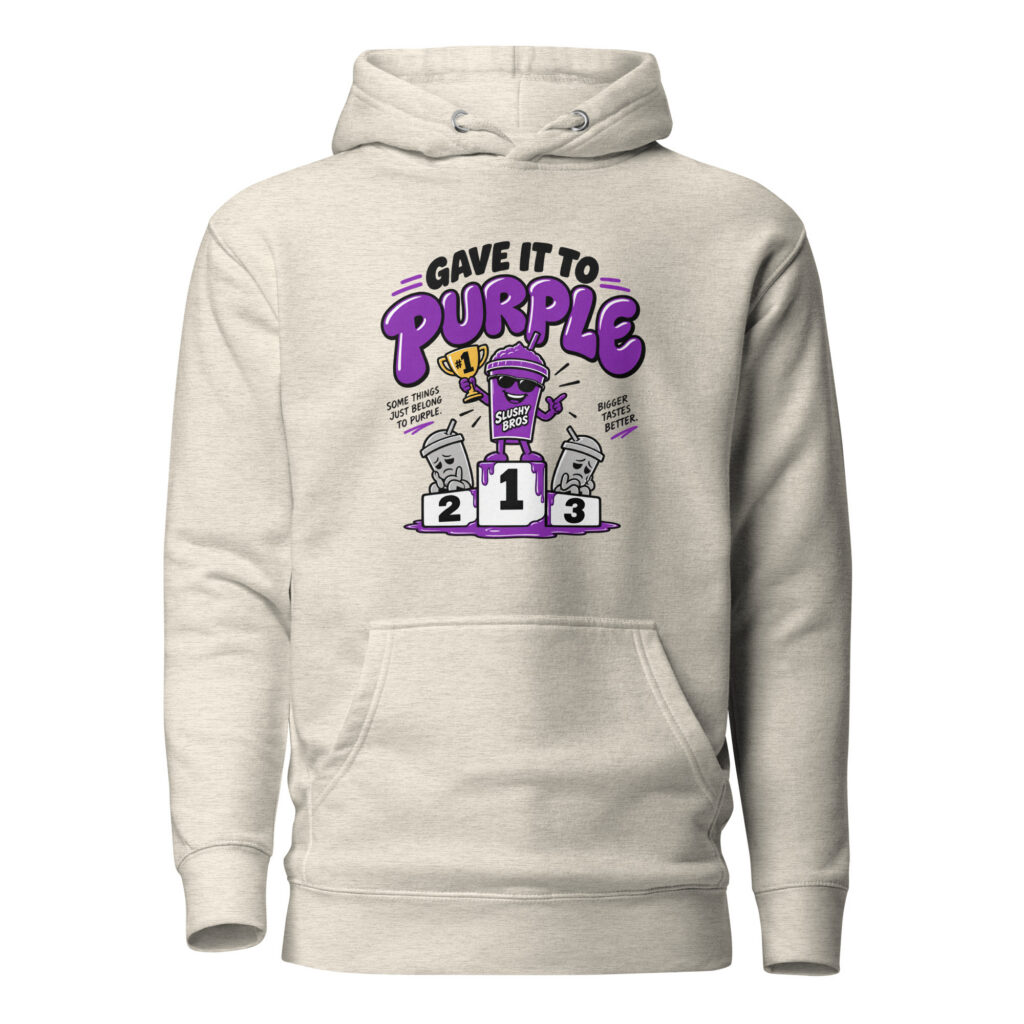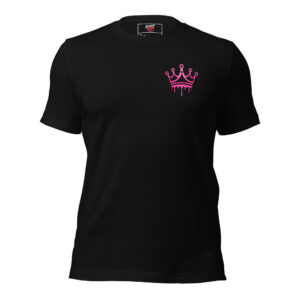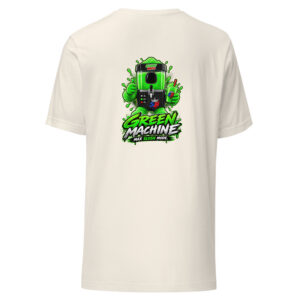
The honest test for any piece of merch is whether someone puts it on when there’s no camera running and no reason to support you that day. Most creator apparel fails that test because the design is a logo, the blank is scratchy, and the fit looks like a 2009 conference giveaway. Getting people to actually want your merch comes down to four things: the idea behind the graphic, the garment itself, the print method, and how you release it.
Print the inside joke, not the logo
A logo tells strangers who you follow. An inside joke tells the right people that they were there. That distinction is the single biggest reason one shirt sells out in six hours and another sits in a box under your desk until you start giving it away at family parties.
Think about the recurring bits your audience already quotes back at you in the comments. A phrase from a video that got clipped, a character you invented on a whim, a number everyone remembers. If you haven’t built that kind of shared language yet, start with building lore around your brand before you open a design file, because merch is a souvenir from a story people already care about.
The practical version: write down ten phrases, references or images that only your regulars would recognize. Cross off anything you’d have to explain in the product description. What’s left is your first real design.
The “would I buy this from a stranger” filter
Before anything goes to print, strip your name off the mockup and ask whether you’d still pick it up off a rack in a store. If the answer is no, you’re selling loyalty, and loyalty runs out after one purchase. Designs that survive that filter tend to share a few traits:
- Readable from six feet away. If someone can’t read a shirt across a room or on a phone screen, they won’t wear it out.
- One idea per garment. Front graphic, back hit, small sleeve detail. Three competing concepts on one tee reads as clutter.
- A color story, not a color explosion. Two or three ink colors on a neutral blank ages better than a full-color photo print.
- Something worth asking about. Good merch starts conversations because it looks like a band tee or a local shop tee, not a billboard.
We test our own stuff by wearing samples for two weeks before anything hits the shop. If nobody on the team reaches for it on a random Tuesday, the design goes back.
The blank decides whether it gets worn twice
People blame the graphic when a shirt ends up as a gym rag, but the blank is usually the culprit. Fabric weight, fit and shrinkage do more for repeat wear than any amount of art direction, so here’s the shorthand.
- 4.2 oz lightweight: cheap, thin, sheer on light colors. Fine for summer events, bad for anything you want people keeping.
- 5.3 to 5.5 oz mid-weight: the safe middle. Ring-spun combed cotton at this weight feels noticeably softer than basic open-end cotton for about $1 to $2 more per unit.
- 6.0 to 7.0 oz heavyweight: the boxy, structured tee people compare to vintage. Costs $9 to $16 blank, and it’s what most streetwear-leaning audiences expect in 2026.
- Hoodies: 8 oz fleece is a starter hoodie, 12 to 14 oz is the one people steal from their roommates.
Order blank samples in three sizes before you commit. Wash them twice at home, measure the body length again, and check whether the collar rolls. Also confirm your supplier’s labels meet fiber content and care requirements, which the FTC spells out in its textile labeling guidance.
Print methods, judged after 20 washes
Every printing method looks great on day one. The difference shows up in month three, which is exactly when a customer decides whether to buy from you again.
- Screen printing: best durability and the cheapest per-unit cost at volume, usually $3 to $7 of decoration on runs of 50 or more. Setup fees per color mean it’s a bad fit for one-offs.
- DTG (direct to garment): no minimums and unlimited colors, around $6 to $12 per piece. Softest hand feel on 100% cotton, but colors fade faster and it struggles on dark blends.
- DTF (direct to film): bright, works on blends, holds up well, though the transfer can feel like a plastic patch if the design is large and solid.
- Embroidery: $4 to $9 for a left-chest design around 6,000 to 8,000 stitches. It reads as premium and never cracks, but fine detail and small text get mushy.
- Puff or high-density ink: a texture upgrade that photographs well in Shorts and costs a couple dollars more per print.
Placement matters as much as method. A standard adult front print runs 11 to 12 inches wide with the top edge sitting 2 to 3 inches below the collar, while left-chest hits land around 3 to 4 inches wide. Scale those numbers down on youth and small sizes instead of printing one file across the whole run.
Size your first run so you don’t eat 40 shirts
New merch sellers over-order smalls and 3XLs and under-order large. A typical unisex tee curve to start from: 5% S, 20% M, 30% L, 25% XL, 12% 2XL, 8% 3XL, then adjust after your first drop with real sales data.
Two ways to avoid dead stock entirely on run one. Sell as a pre-order window of 7 to 10 days and print exactly what sold, or use print-on-demand for the first release and switch to bulk screen printing once you know which designs move. Pre-orders cost you nothing but patience, and your audience generally understands a three-week fulfillment window when you explain it.
Unsold inventory is also a waste problem, not just a cash problem. The EPA estimates that roughly 11.3 million tons of textiles ended up in U.S. landfills in a single year, and boxes of unworn promo tees are part of that math.
Treat the drop like an episode
A product page that quietly appears converts far worse than a release your audience watched get built. Tease the sample in a video, show the reject designs, let people vote on colorway, then open the window with an end date attached. That’s the whole mechanic behind limited drops, and it works because scarcity is real when you print to order.
Tie the drop to content you’re already making rather than treating it as a separate marketing job. The same rules that govern getting views on YouTube apply here: the first two seconds decide whether anyone sees the shirt at all.
Giving pieces away is also underrated. We run free merch every 10K subs partly because every shirt on a real person in a real place is a better ad than a flat-lay photo, and partly because it’s more fun than another discount code.
Price it like apparel, not like a tip jar
Most creator tees land between $28 and $40, hoodies between $55 and $80. Work backward: blank plus decoration plus packaging plus shipping materials, then multiply landed cost by 2.2 to 2.5 for a healthy margin after platform fees.
If your numbers only work at $45 for a basic tee, the fix is a cheaper blank or a simpler print, not a bigger ask. Charging fair prices for genuinely good apparel keeps the relationship clean, and returning buyers are worth more than one guilt purchase.
Frequently Asked Questions
What kind of merch do people actually want?
People want merch they’d wear without explaining it, which in practice means heavyweight tees, hoodies and caps carrying a joke, phrase or character rather than a plain logo. Functional items with daily use (tote bags, beanies, water bottles) also outperform novelty products that live in a drawer.
How do people create merch?
Most creators follow five steps: pick a concept from existing audience references, choose a blank and sample it, set the design at print-ready 300 DPI, select a print method (screen, DTG, DTF or embroidery), then launch with a pre-order or print-on-demand run. The first three steps take longer than the printing, which is usually 10 to 21 days.
What type of merch sells the most?
T-shirts consistently sell the highest unit volume, typically 50% to 70% of a small creator store’s orders, with hoodies driving the most revenue per sale. Low-cost add-ons like stickers and keychains raise average order value when bundled at checkout.
What kind of merch does Gen Z like?
Gen Z buyers lean heavily toward oversized, boxy fits in 6 oz-plus cotton with vintage-style graphics, washed colors and small embroidered details. Limited runs, clear sustainability info and designs that reference specific moments tend to outperform evergreen logo apparel.
See what we print next
We build our shirts the same way we build videos at Slushy Bros: sample it, wear it, scrap it if it’s boring. Browse the current drop or read more of our notes on making things people keep.