If you want to know how to use limited drops to build demand, start with the least glamorous part: the demand has to exist before the timer starts. A limited drop does not create hype out of nothing, it concentrates attention you already earned into a short window where people actually have to decide. We have run drops that sold out in under an hour and drops that sat there looking lonely, and the difference was almost never the product.
This is the version of drop marketing written for small brands and creators, not for a global streetwear label with a line around the block. Read it as a playbook you can run with 80 units and a phone camera.
What a Product Drop Actually Means
A product drop is a release sold in a fixed quantity, for a fixed window, usually announced ahead of time and then gone. That is the whole product drop meaning, and the model borrowed its shape from sneaker culture and skate brands in the 1990s before every category copied it. Limited edition drops replaced the old retail rhythm of “always in stock, always on sale” with something closer to a live event.
Three structures cover most of what brands do now:
- Timed drop: open for 24 to 72 hours, unlimited units, then the page closes. Lowest inventory risk.
- Quantity drop: a hard run of 50, 100 or 250 pieces that ends when it ends. Highest urgency.
- Seasonal or episodic drop: a recurring slot, like the first Friday of the month, so your audience learns the calendar.
We lean on the third one because habit beats hype over a year. People who know when you release something will show up without being chased.
Why Limited Drops Build Demand (And When They Do Not)
Scarcity changes how people value a thing, which is old news in behavioral research and older news to anyone who has watched a sold-out size sell for double on a resale app. When supply is capped, the decision stops being “do I want this” and becomes “do I want to miss this.” That shift is the entire mechanism.
But scarcity only amplifies. If 200 people care about your brand, capping a run at 100 shirts creates competition; capping it at 500 creates a warehouse problem. The math that matters is not how limited you make it, it is the ratio between interested humans and available units.
The honest benefits, in our experience:
- Cleaner cash flow: you produce close to what you sell instead of guessing a year out.
- No discount habit: a sold-out run never trains your audience to wait for 30% off.
- Built-in content: a drop gives you a reason to post for two weeks that is not “buy my stuff.”
- Real feedback: sell-through by size and colorway tells you what to make next.
- Community signal: owning the piece marks someone as early, which matters more than the fabric.
The Pre-Drop Demand Engine
This is the part most guides skip, and it is where drops are won. Give yourself roughly 14 to 21 days of build-up, because anything shorter means only your most obsessive followers hear about it in time.
Our rough content ladder for a two week runway:
- Days 1 to 5: tease without explaining. A fabric close-up, a sketch on a napkin, a joke about the thing you are making.
- Days 6 to 10: show the product in use in your normal content, not in a studio. Short-form video does the work here, which is why we pay attention to why some Shorts get millions of views and others die immediately.
- Days 11 to 13: announce the exact date, time zone and unit count. Vague launches lose people.
- Day 14: open, post the drop live, then post again at the halfway mark and when sizes start going.
Collect emails or SMS signups the whole time with an early-access window of 30 to 60 minutes. Our early list converts several times better than a cold social post, mostly because those people already decided.
How to Run a Limited Drop in 5 Steps
Here is the sequence we actually use, compressed.
- Pick one hero piece. One design, two or three colorways maximum. A drop with 11 SKUs is just a store opening.
- Size the run against real numbers. Take your last release’s buyer count, then produce 1.2 to 1.5 times that. For a first drop with no history, 50 to 150 units keeps the downside small.
- Set the constraint and publish it. Units, window, price, ship date. Put the ship date in writing so nobody is guessing in week three.
- Run the runway. Daily content, one clear link, and an early-access list that gets in first.
- Close it and report back. Post the sell-through, thank the buyers, say plainly whether it returns. Aim for 80% or better sell-through inside 7 days; under 50% means the demand was not there yet.
We keep the terms of every release, including restocks and returns, spelled out in our house rules so nobody has to DM us asking what happens if a size runs out.
Limited Drop Examples Worth Studying
The famous product drops all teach slightly different lessons, and most of them are copied badly.
- Supreme’s weekly Thursday release: the lesson is the calendar, not the queue. A predictable slot turns attention into a ritual.
- Trader Joe’s seasonal items: low-priced, genuinely temporary, and never restocked mid-season. Scarcity works fine at $3.99.
- Nintendo and console-era limited editions: proof that under-supplying real demand builds legend and also genuine resentment. Choose your dose.
- Creator merch drops: the product is a membership badge. The design matters less than who else is wearing it.
We have used the same logic on content, not just apparel. A limited flavor bit like our winter slushy flavor lineup exists for a season, gets talked about, then disappears, and that alone gives people a reason to check back.
The Mistakes That Kill a Drop
Fake scarcity is the big one. If you announce 100 units and quietly restock to 400 the next week, you have taught your audience that your announcements are marketing noise, and the US Federal Trade Commission’s advertising guidance is clear that urgency claims need to be truthful, not just persuasive.
The other common failures:
- Dropping too often. More than twice a month and nothing feels limited anymore.
- Ignoring fulfillment. A 6 week silent shipping delay undoes every bit of goodwill the launch created.
- No second act. Traffic spikes on drop day and then your site is empty for three weeks.
- Pricing for scarcity you have not earned. A $70 hoodie needs a reason beyond the word “limited.”
That last point matters more in 2026 than it did five years ago. Ecommerce volume keeps climbing, per the US Census Bureau retail data, which means shoppers see drop-style urgency constantly and discount it accordingly.
What to Do After You Sell Out
Selling out is a starting point, not an ending. Capture the waitlist for the sizes that ran out, then decide publicly whether the piece returns or retires, because ambiguity annoys people more than a no.
Keep something available between drops so new visitors have a reason to stay. Our shop always has core pieces, and the drops sit on top of that as the thing people time their month around. If you are building this for a creator brand, our notes on working with creators cover how we structure collabs around a release window.
Frequently Asked Questions
What is the 3-3-3 rule in marketing?
The 3-3-3 rule says you have 3 seconds to grab attention, 30 seconds to hold it, and 3 minutes to convert or explain. For a drop, that means your first frame or subject line carries most of the load, and the product page has to answer price, date and quantity within one scroll.
What is the 3-7-27 rule in branding?
The 3-7-27 rule holds that it takes 3 impressions for someone to recognize your name, 7 to connect it to your brand, and 27 before they truly remember you. It is a rule of thumb rather than hard research, but it explains why a 14 day drop runway with daily posts outperforms one big announcement.
How to build demand for a product?
Build demand by creating consistent attention first, then limiting supply second, usually over a 2 to 3 week window. Practical levers include waitlists with early access, behind-the-scenes content, collaborations that borrow another audience, and a published release calendar people can plan around.
What are the most high demand products?
In apparel and creator merch, heavyweight hoodies, graphic tees, hats and drinkware stay the most consistently high demand categories, largely because sizing risk is low and margins hold. Seasonal and novelty items spike harder but sell through less predictably, so most brands run them as capped limited drops instead of core stock.
Want Your Next Drop to Sell Out?
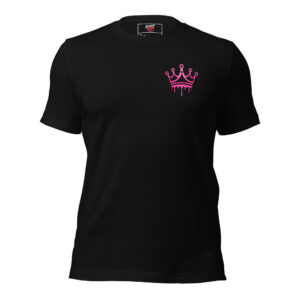
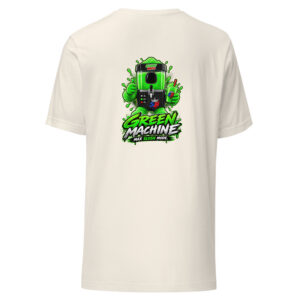
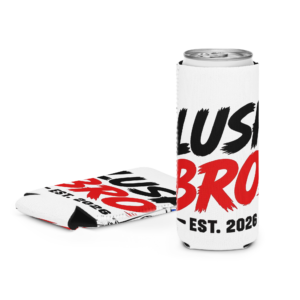
We plan every Slushy Bros release with the same runway described above, and the fastest way to see it in action is to be on the list before the next one opens. Check what is live in the apparel lineup and get in early on the next run.