An inside joke is the fastest shortcut to belonging that any community has. It takes a stranger and, in about four seconds, tells them whether they are part of the room or standing outside it, which is exactly why inside jokes are powerful for building a community around a channel, a brand or a group chat. The joke itself is almost never the point. The shared memory behind it is.
People do not subscribe to content because it is good. They stay because they recognize something, and recognition is built one repeated bit at a time.
Related reading: How to Build a Fictional Universe Around Your Content.
A Joke Is a Membership Card With No Paperwork
Communities need a boundary to exist. Not a mean one, just a line that separates “people who get it” from “people who are still catching up,” because without that line there is no sense of being inside anything at all.
Inside jokes draw that line without anyone having to write rules, charge dues or build a members-only area. If you know why a certain cup color matters, or why a particular phrase gets spammed in the comments, you are in. The barrier is attention, not money, which means anyone willing to watch a few videos can cross it.
That is a healthier gate than most brands build. Paid tiers filter by wallet. Running bits filter by care.
Laughter Is Doing Biological Work in the Background
There is real research behind the gut feeling that laughing together bonds people faster than talking together. Studies led by anthropologist Robin Dunbar found that social laughter raises pain thresholds, a marker of endorphin release that also shows up in grooming behavior among primates and in group singing among humans.
In plain terms, laughing in a group triggers the same chemistry that makes people feel attached to each other. A comment section where 4,000 people are typing the same dumb phrase is a low-grade version of that same effect, repeated daily.
Brands tend to chase emotional connection through mission statements. A running joke gets there faster and costs nothing but consistency.
Repetition Is What Separates a Joke From a Bit
A funny moment is disposable. A bit is an asset, because every time you reference it you are cashing in on every previous appearance, and the audience does the heavy lifting of remembering.
The difference shows up in the numbers. A one-off gag has to earn its laugh from scratch in the first two seconds. A bit that has run twelve times gets the laugh from the setup alone, which frees up your runtime for something new.
- Callback speed: regulars understand a reference in under two seconds, new viewers need roughly five to seven.
- Comment behavior: bits generate quoting, and quoting is the cheapest engagement signal you will ever get.
- Retention lift: viewers who recognize a format watch further into it because they know where the payoff sits.
- Low production cost: the joke already exists, so you are only producing the new variation.
This is also why a repeatable short-form format outperforms a pile of unrelated clever ideas over a six-month window.
The Best Inside Jokes Come From the Audience
Writers tend to want to invent the catchphrase. In practice, the ones that stick are usually accidents that the comment section notices first, then repeats until you have no choice but to acknowledge it.
A mispronounced word, a weird background object, a reaction someone made before the edit cut away. We have written before about how we turn inside jokes into Slushy Bros videos, and the honest answer is that most of them were handed to us by people in the replies.
Your job is curation, not invention. Watch which three words get quoted back at you across different videos, then put those words somewhere permanent.
How to Spot a Joke Worth Keeping
Not every funny moment deserves to become a recurring fixture. Running a weak bit for six months trains the audience to scroll past your signature move, which is worse than never having one.
- It is repeatable without explanation. If you have to narrate the backstory every time, it is an anecdote, not a bit.
- It survives variation. Good bits work in new settings. A joke that only lands in one specific video is a moment, not a format.
- People are already copying it. Check whether the phrase shows up in comments on unrelated uploads. That is organic adoption.
- It is visual or verbal, ideally both. Something a viewer can screenshot or type travels further than something they have to describe.
- It does not punch down. Jokes built on mocking a group age badly and narrow your audience over time.
Keep the Door Unlocked While the Joke Stays Inside
The risk with inside jokes is obvious. Lean too hard and your content becomes unreadable to anyone who has not watched 40 videos, which caps your growth at the size of your current audience.
The fix is layering. The surface of the video should work for a total stranger, with the reference sitting underneath it as a bonus for regulars. A new viewer should laugh at the thing happening on screen even if they miss why the specific cup, phrase or character matters.
Harvard Business Review’s research on brand communities makes a similar point: the strongest communities serve the people in them rather than the brand’s messaging goals, and they stay open enough for new members to find a role. Gatekeeping kills the thing that made the group fun to join.
A practical rule we use on the Slushy Bros TV side: a reference can be invisible to newcomers, but it can never be the whole joke.
Turning a Bit Into Something People Can Hold
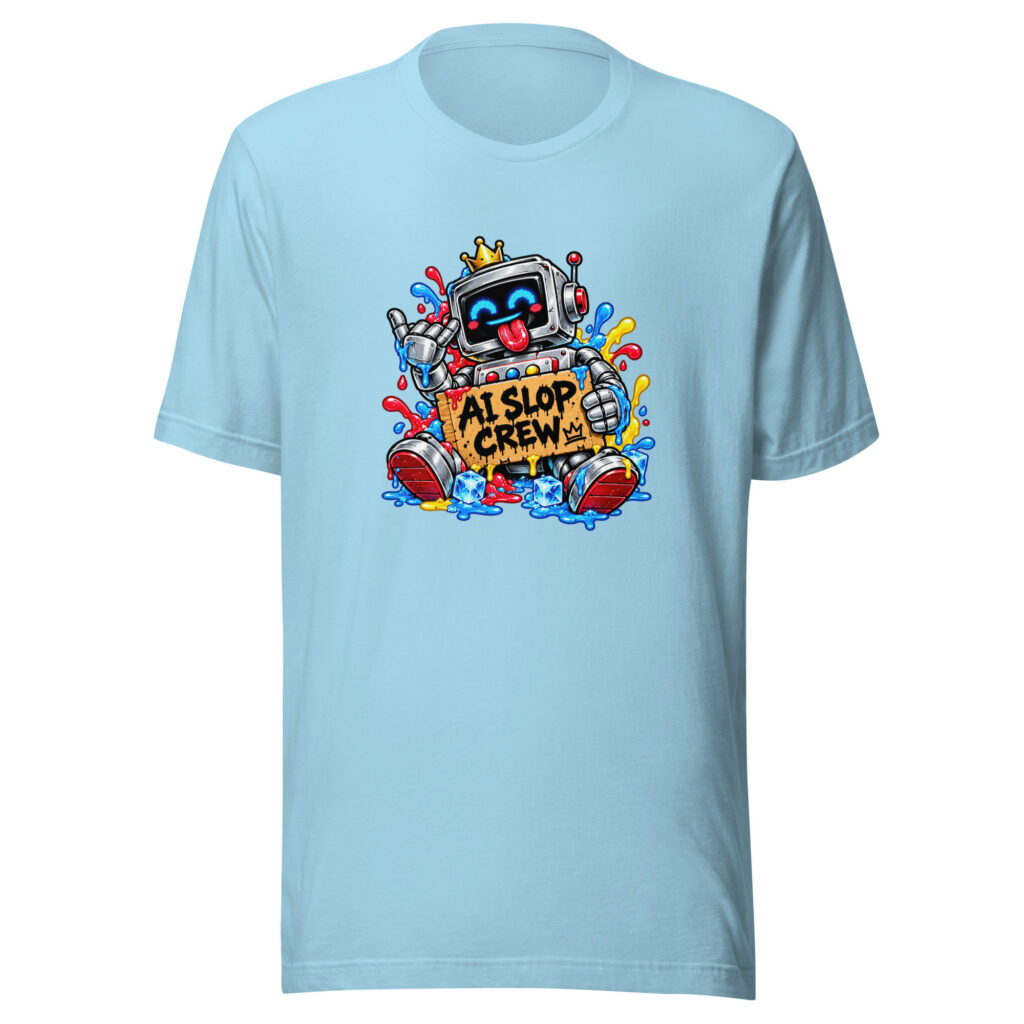
Inside jokes reach a different level once they leave the screen. A phrase printed on a shirt is a signal a person wears in public, which is both a flex for them and free distribution for you.
This is why so much creator merch is text-based nonsense. The nonsense is the point. Nobody outside the community understands the shirt, and that is precisely why a member wants it, which is also why our apparel drops tend to be built from comment-section language rather than logos.
Other ways a bit becomes an object people can participate in:
- A set of house rules that codify the running jokes into something quotable
- Recurring giveaway milestones that the audience counts down together
- Named segments that viewers request by title in the comments
- A character or mascot who exists only because of one old accident
The Four Ways Creators Kill a Running Joke
Most bits die from mishandling, not from age. The pattern repeats across channels of every size.
Overuse. Running the same gag in nine consecutive uploads drains it. Spacing a bit across every third or fourth post keeps the recognition hit intact.
Explaining it. The second you add a caption that spells out the reference, you have converted an inside joke into a footnote and removed the reward for being a regular.
Monetizing it too early. A joke needs to belong to the audience before it belongs on a product. Sell it in week two and it reads as a marketing plan rather than a shared thing.
Changing it without warning. Communities get genuinely annoyed when a familiar format shifts for no reason. If you evolve a bit, let the audience watch it happen instead of swapping it out between uploads.
Why This Matters More in 2026 Than It Did Five Years Ago
Feeds are now sorted almost entirely by interest rather than by who you follow, which means a stranger sees your video before a subscriber does. Reach is cheap and loyalty is expensive.
Inside jokes are one of the few remaining assets an algorithm cannot hand to a competitor. Anyone can copy your editing style, your hook structure and your thumbnail colors within a week. Nobody can copy three years of shared references between you and the people who have been watching since the beginning.
For anyone building in this space, the creator side of what we do keeps coming back to the same conclusion: the moat is memory.
Frequently Asked Questions
How Long Does It Take for an Inside Joke to Catch On?
Most running bits need three to five appearances across four to eight weeks before the audience starts repeating them unprompted. If a reference has appeared six times and the comments still have not picked it up, the joke is probably not portable enough to survive on its own.
Do Inside Jokes Hurt Reach With New Viewers?
They only hurt reach when the reference is the entire punchline, which is usually a small share of uploads if you layer properly. Keep the visible action funny on its own and a newcomer will still watch to the end, often commenting to ask what the recurring phrase means.
Can a Brand Create an Inside Joke on Purpose?
You can plant one, but the audience decides whether it lives, and roughly four out of five deliberate catchphrases get ignored. The faster route is watching your own comment section for language that is already repeating, then amplifying it rather than inventing something from scratch.
What Is the Difference Between an Inside Joke and a Meme?
A meme spreads outward to people who have no relationship with the source, while an inside joke gains value from the fact that outsiders do not get it. Memes grow your reach, inside jokes deepen your retention, and a healthy channel runs both at once.
How Many Running Bits Should One Channel Have?
Three to six active bits is a workable range for most channels, with one dominant signature reference. Beyond that, the audience struggles to track which callbacks are current, and the recognition payoff spreads too thin to feel like membership in anything.
Watch the Bits Start From Scratch
Every running joke on our channel started as one unplanned second that somebody in the comments refused to let go of. Come see which ones are currently running over at Slushy Bros, and if you catch the next accident before we do, say so in the replies.