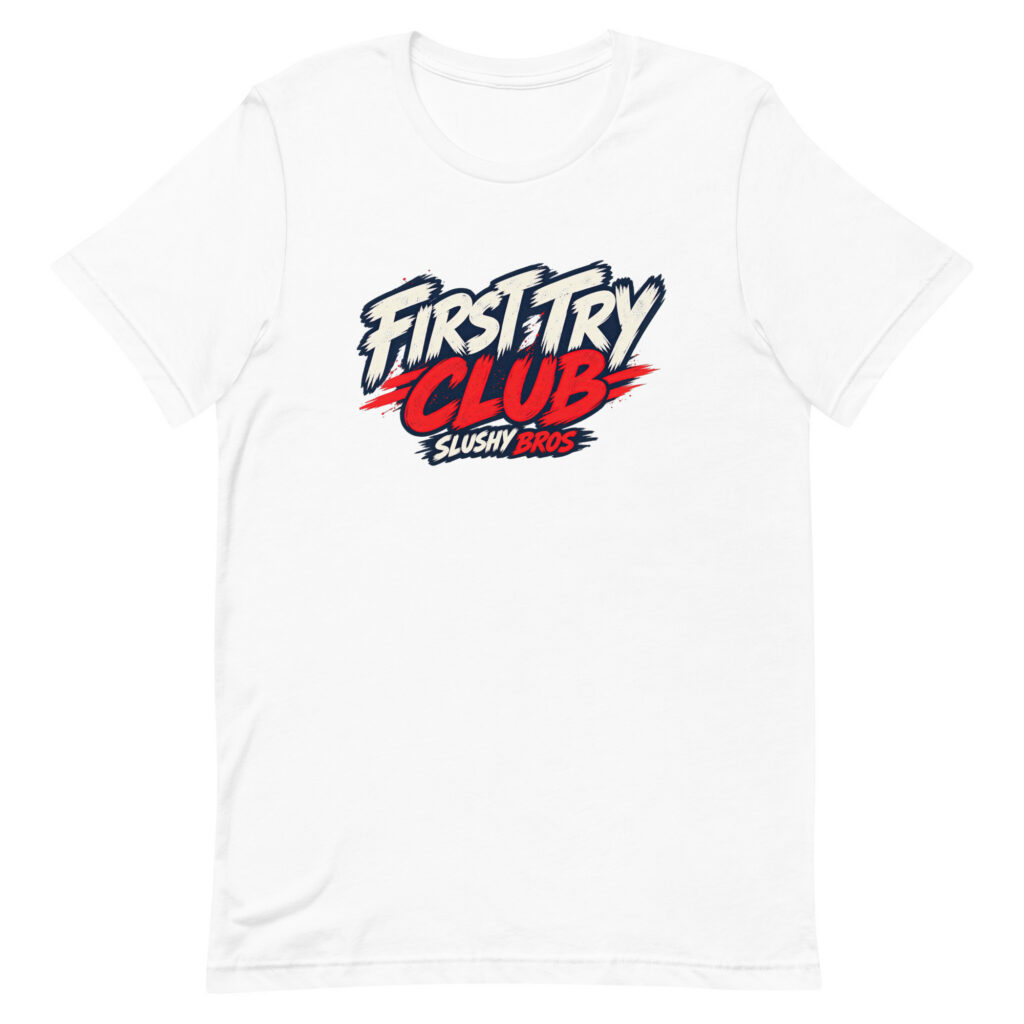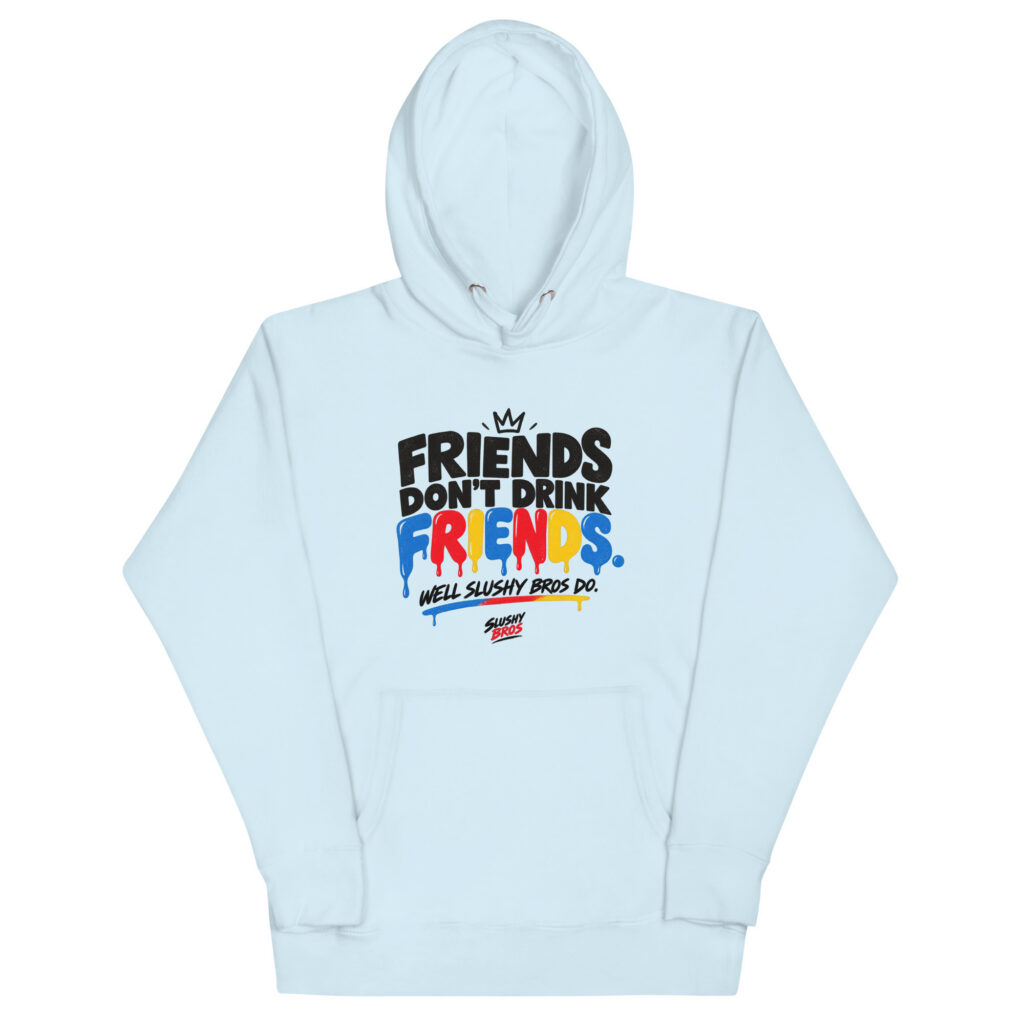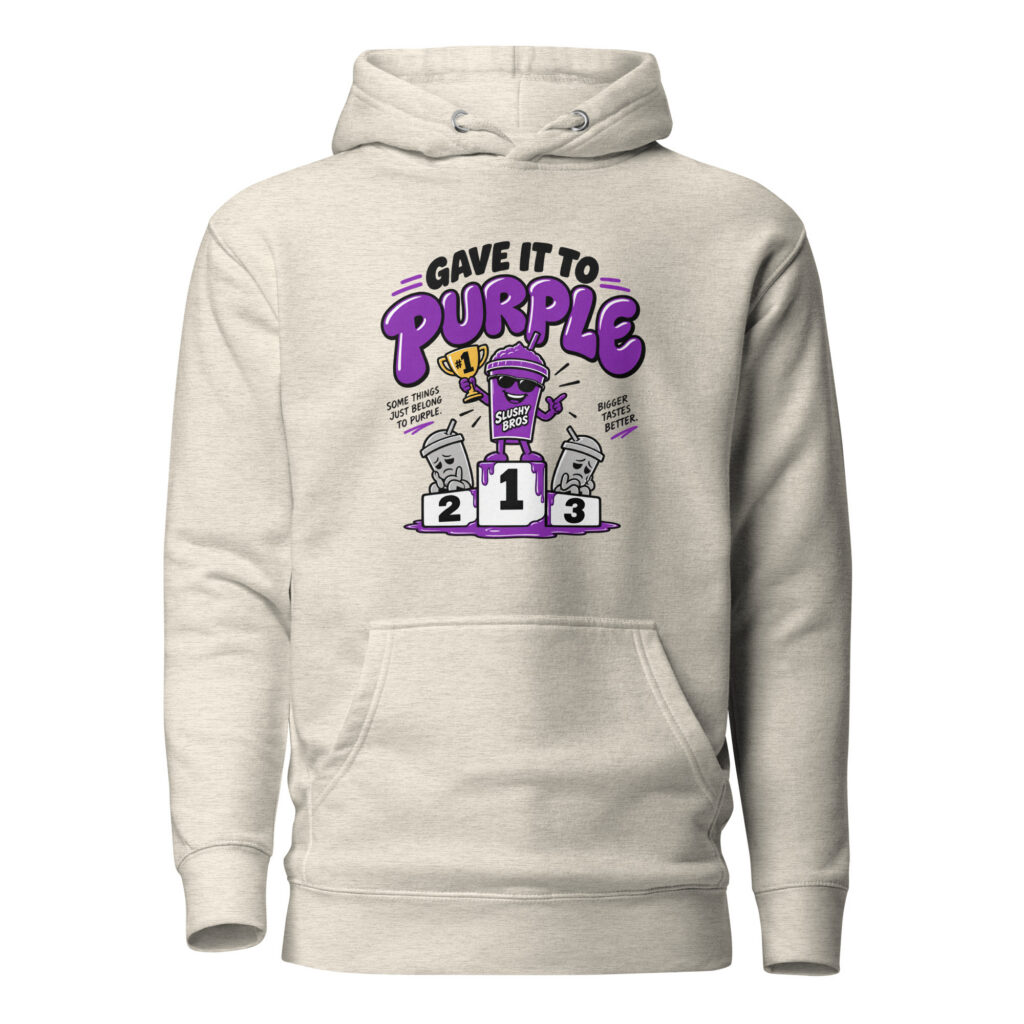
Most creators launch merch roughly six months before anyone wants it, and the drop sells four shirts to three relatives. The better trigger is not a subscriber count at all: it is the point where people in your comments are already repeating a line, a character or a visual back at you without being asked. That usually happens somewhere between 5,000 and 50,000 subscribers, and it can happen on a channel with 900.
Below is how to read those signals, what the numbers actually look like at each channel size, and how YouTube Shopping fits in once you cross the eligibility line.
Demand Signals That Beat Any Subscriber Count
A merch drop works because an audience wants to identify with something, not because a channel hit a round number. Before you design anything, look for these in your own analytics and comment section:
- Unprompted quoting. Three or more comments per upload repeating a catchphrase, a bit or a character name. That is a design brief handed to you for free.
- People asking to buy. Even five DMs or comments asking where to get the shirt you wear on camera is a stronger signal than 50,000 passive subscribers.
- Returning viewers. If your YouTube Studio returning-viewer share sits above roughly 25 to 30 percent, you have an audience rather than an algorithm spike.
- A mark that reads small. A logo, mascot or word that is legible at thumbnail size will also be legible on a chest print from across a room.
Miss all four and merch becomes a logo tax on your most loyal 20 viewers. Hit two or three and you are late, not early.
The Merch Math at 1,000, 10,000 and 100,000 Subscribers
Realistic conversion on a first drop runs about 0.1 to 1 percent of subscribers, and the high end only happens when the audience is tight and the design references an inside joke. Run the numbers before you order anything.
- 1,000 subscribers: expect 1 to 10 orders. Print-on-demand only. Treat it as a test of design, not a revenue line.
- 10,000 subscribers: 20 to 100 orders is normal, at $8 to $15 profit per tee. That is $200 to $1,200 for a launch week, which is real money but not rent.
- 100,000 subscribers: 200 to 1,000 orders on a good drop. Here a bulk run of 100 to 250 units starts to beat print-on-demand margins.
Those ranges assume you actually promote it. A shirt sitting in a description link with no on-camera mention converts at closer to 0.02 percent, which is statistically the same as zero.
YouTube Shopping Eligibility and What It Unlocks
To connect a store and tag products on YouTube, you generally need to be in the YouTube Partner Program, which currently requires 1,000 subscribers plus 4,000 valid public watch hours in 12 months, or 10 million valid public Shorts views in 90 days. Google publishes the current thresholds on its YouTube Partner Program overview, and they do get adjusted, so check before you plan around them.
Once you qualify, the affiliate and store features let you:
- Link your own store (Shopify, Spring and several other partners) and show a product shelf under videos.
- Tag products inside long-form videos, Shorts and live streams.
- Join the YouTube Shopping affiliate program in supported countries, where you earn commission on other brands’ products instead of carrying inventory.
Country availability matters more than most creators expect. The affiliate side is live in a limited set of markets including the United States, South Korea, India, Indonesia, Thailand and Vietnam, while basic store connection covers a wider list. Google’s YouTube Shopping help documentation keeps the current country list.
Three Windows Where Launches Actually Land
Timing inside the year matters nearly as much as channel size. Three windows consistently outperform a random Tuesday:
- Seven to fourteen days after a breakout video. Attention from a viral upload decays fast, and new subscribers are most willing to buy while the video is still fresh in their feed. Waiting a month costs you most of that lift.
- Late September through mid-November. Hoodie weather plus gift season. Hoodies carry $20 to $35 of margin versus $10 to $15 on a tee, so the seasonal shift changes your economics, not just your volume.
- Milestone drops. Tying a limited run to a subscriber milestone gives the audience a reason to act now. We run a version of this ourselves with free merch every 10K subs, because a giveaway builds the habit of people wanting the thing before you ask them to pay for it.
Four Signs You Are Launching Too Early
Some channels have the audience and still should wait a quarter. The usual tells:
- Your upload rhythm is unstable. If you are still working out how often to post Shorts, your audience has no consistent touchpoint to see the merch worn and mentioned.
- Your identity keeps shifting. Channels that change format every eight videos end up printing a logo their audience does not attach meaning to yet.
- You delete anything that underperforms. Pruning your catalog wipes out the running jokes people recognize. There are reasons to keep those videos up, which we covered in our take on whether to delete a Short that flops.
- You cannot name the design in one sentence. If explaining the shirt takes a paragraph, it is not merch, it is a mood board.
Print-on-Demand Versus Ordering a Run
For a first launch, print-on-demand wins almost every time. Base cost on a mid-weight tee typically lands at $12 to $18, you retail around $28 to $35, and you carry zero inventory risk. The trade-offs are slower shipping (usually 5 to 12 days) and less control over blank quality.
A bulk run of 50 to 100 units drops your unit cost to roughly $7 to $11 including screen printing, which roughly doubles your margin. The sensible switch point is when you are moving 40 to 50 units a month consistently across two or three drops, not after one strong week. Heavier blanks, boxy fits and real neck tags are also where most channels stop feeling like a logo store, something we break down further in how to create merch people actually want to wear.
A Launch Sequence That Does Not Flop
- Wear it on camera for two to three weeks first. No announcement, just wear it. Let the comments ask.
- Keep the first drop to two or three SKUs. One tee, one hoodie, maybe one sticker or cup. Choice paralysis kills small launches.
- Run a 7 to 10 day window. A deadline outperforms an always-on store for a first release by a wide margin.
- Announce inside the content, not around it. A 10 second mention at a natural beat beats a 60 second outro nobody watches.
- Ship within 10 business days and post customer photos. Buyer photos are the cheapest marketing asset you will ever get, and they seed the second drop.
If you want to see how a small catalog is structured in practice, our apparel lineup stays deliberately short, and the thinking behind the brand side of it sits on our creators page.
Frequently Asked Questions
How many YouTube views do I need to make $2,000 a month?
At a typical RPM of $2 to $8 for long-form content, you need roughly 250,000 to 1,000,000 monthly views to make $2,000 from ad revenue alone. Shorts pay far less, often $0.03 to $0.10 per 1,000 views, so a Shorts-first channel may need several million monthly views to hit the same number.
Do YouTubers make money from merch?
Yes, and for mid-sized channels merch commonly accounts for 10 to 40 percent of total revenue, often more than AdSense. Profit per item usually runs $8 to $15 on a tee and $20 to $35 on a hoodie, so a channel selling 200 items a month can clear more from merchandise than from a million ad-supported views.
What is the 7 second rule on YouTube?
The 7 second rule is the informal idea that you have about seven seconds to convince a viewer to keep watching, which is when most audience retention graphs show their steepest drop. It is not an official YouTube policy, and on Shorts the real window is closer to one or two seconds.
How many YouTube views do I need to make $10,000 a month?
Ad revenue alone typically requires 1.5 to 5 million monthly views at an RPM of $2 to $8, with finance, tech and business niches at the low end of that view requirement. Most creators reaching $10,000 a month get there by stacking ads, sponsorships and merch rather than views alone.